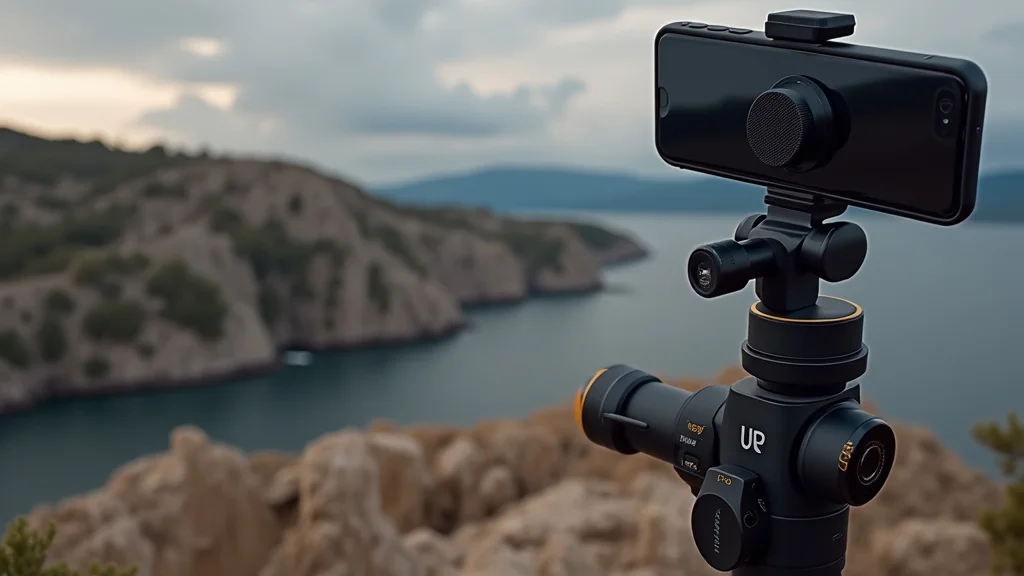
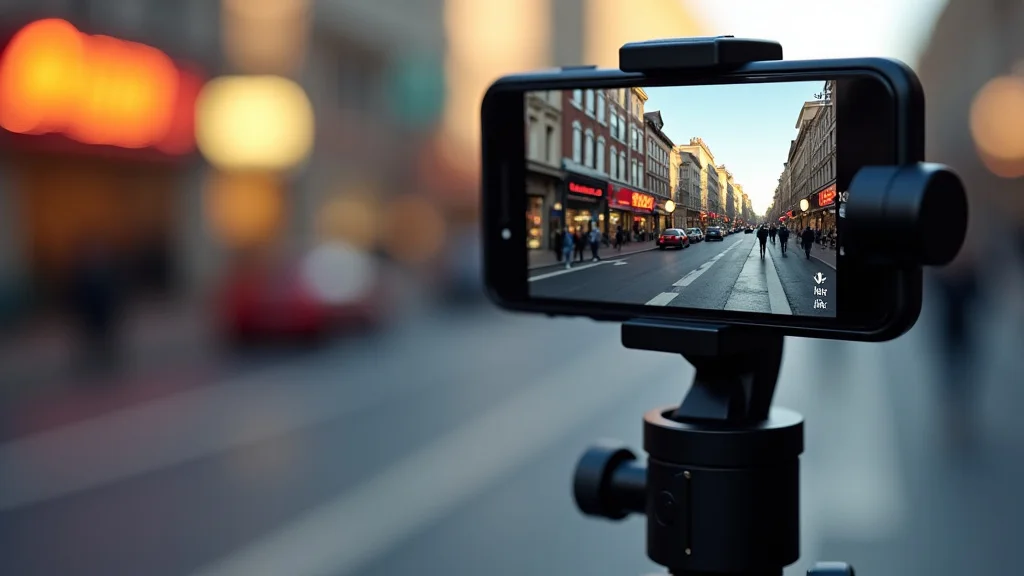
Remember that time you tried to record your kid’s soccer game and the video was a shaky mess? Frustrating, right? The DJI Osmo Mobile 7p smartphone gimbal is here to help! This guide explores everything you need to know about this amazing device, from its basic functions to advanced techniques. You’ll learn how this gimbal can transform your phone videos into professional-looking content, whether you’re a budding filmmaker or just want smoother home videos. This post will help you master the DJI Osmo Mobile 7p smartphone gimbal and create captivating videos. Get ready to elevate your content creation!
Key Takeaways
- Discover the key features and benefits of the DJI Osmo Mobile 7p smartphone gimbal.
- Learn how to set up and balance your smartphone for optimal performance.
- Explore different shooting modes and creative possibilities.
- Master the advanced techniques for smooth and professional-looking footage.
- Understand the accessories and add-ons that enhance the gimbal’s capabilities.
- Troubleshoot common issues and get the most out of your device.
Getting Started With the DJI Osmo Mobile 7p
The DJI Osmo Mobile 7p smartphone gimbal is a fantastic tool for anyone who wants to create smooth, professional-looking videos with their smartphone. It’s designed to stabilize your phone, counteracting handshakes and movements, resulting in clear and steady footage. The gimbal’s portability and ease of use make it an excellent choice for both beginners and experienced videographers. We’ll explore the initial setup, ensuring the best performance and user experience. Understanding these fundamentals will prepare you to make the most of this powerful tool.
Unboxing and Initial Setup
Unboxing the DJI Osmo Mobile 7p is a simple process. The packaging usually includes the gimbal itself, a carrying case, a tripod (sometimes), a charging cable, and a user manual. The first step involves charging the device fully. Typically, this takes about 2-3 hours. While the gimbal charges, it’s a good idea to download the DJI Mimo app, which is essential for controlling the gimbal and accessing its features. Once charged, you’re ready to start using the gimbal to stabilize your footage. This setup gets you making smooth, cinematic videos swiftly.
-
What’s in the Box: Usually includes the gimbal, a carrying case, a tripod (may vary), a charging cable, and a user manual. Check to make sure all components are present and undamaged.
Before you begin, verify that the package contains all the expected items. Make sure you can easily access the charging cable and the instruction manual. If the package includes a tripod, inspect it to confirm its stability and that it correctly attaches to the gimbal. Taking a moment to organize the components will lead to smooth initial usage.
-
Charging the Gimbal: Charge the gimbal before the first use. Use the provided cable, usually a USB-C cable. Charging can take a couple of hours.
Before you get started, ensure that the gimbal has a full battery. Plug the USB-C cable into a power source, like a wall charger or computer, and let it charge fully. A full charge generally provides several hours of use, so a complete charge is worth the wait. Pay attention to the charging indicator lights to understand the battery’s status.
-
Downloading the DJI Mimo App: Download the DJI Mimo app from your phone’s app store. This app connects to the gimbal via Bluetooth.
This app is your primary control center for the gimbal. It’s available for both iOS and Android. Search for “DJI Mimo” in the App Store or Google Play Store. During installation, grant necessary permissions, such as access to Bluetooth and your phone’s camera. The app’s intuitive interface simplifies operations and grants access to different shooting modes and settings. The app also lets you get firmware updates.
Balancing Your Smartphone
Balancing is important for the DJI Osmo Mobile 7p smartphone gimbal to function properly. Proper balance ensures that the motors don’t have to work extra hard to stabilize your phone, which extends battery life and prevents unwanted vibrations. By correctly balancing the phone, you guarantee that the gimbal will deliver the smooth, professional-quality video it is known for. With practice, balancing becomes quick and easy, resulting in better footage every time.
-
Phone Placement: Extend the arms of the gimbal and secure your phone in the phone clamp. Adjust the clamp to fit your phone snugly.
Make sure the phone is securely held by the clamp. The clamp should grip the phone firmly without obstructing any buttons or the camera lens. Be careful to ensure your phone is centered. This is crucial for initial balance. Always double-check that your phone is placed correctly to prevent any accidental drops during use.
-
Adjusting the Balance Arms: The gimbal has adjustable arms. Slide the arms until the phone is balanced horizontally.
Carefully adjust each arm of the gimbal to achieve horizontal balance. The goal is to get the phone to stay level when you release it. If it tilts, adjust the arm until it remains stable. Minor adjustments are often needed to find the perfect balance point. This ensures that the gimbal motors do not overwork.
-
Vertical Balance: Adjust the vertical axis to ensure the phone doesn’t tilt forward or backward.
Check the vertical balance by gently tilting the gimbal. If the phone tilts significantly, adjust the vertical arm until it remains relatively stable. Vertical balance is about preventing the phone from tipping forward or backward while the gimbal is in use. Take your time to get it right. Proper vertical balance also extends the battery life of the gimbal.
Shooting Modes and Creative Techniques
The DJI Osmo Mobile 7p offers a variety of shooting modes designed to enhance creativity and provide flexibility. Each mode serves a distinct purpose, from capturing moving subjects to creating time-lapse sequences. Experimenting with these modes opens up many possibilities, allowing you to create videos that are both visually appealing and unique. Knowing these shooting modes enables users of the DJI Osmo Mobile 7p smartphone gimbal to create videos that stand out from the crowd.
Different Shooting Modes Explained
The DJI Osmo Mobile 7p includes a number of shooting modes to provide users with different options to film a variety of subjects. These shooting modes let you create everything from simple pans and tilts to dynamic tracking shots. Each mode allows for a unique approach to storytelling.
-
Following Mode: The gimbal follows your phone’s movement, keeping the camera pointed in the direction you are pointing it.
This is the standard mode for general shooting. The gimbal smoothly follows your movements. This mode is excellent for walk-and-talk videos. The video remains stable while keeping the subject in the frame. It is the most used mode because of its versatility and simple operation.
-
Tilt Lock Mode: The phone’s orientation is fixed, but it follows the pan movements. This prevents tilting up or down.
Tilt Lock mode is useful for creating consistent, horizontal videos. This mode is good for creating a level horizon, perfect for landscape shots. If you’re moving and want to keep your horizon straight, this mode is the solution. The result is a more professional-looking video that avoids unwanted tilting. This is ideal when the subject is not moving up or down.
-
FPV Mode: The gimbal follows all movements, providing a first-person view.
In FPV mode, the camera follows your movements completely, offering a dynamic perspective. This mode lets you capture more immersive videos. This mode can be fun for creating more engaging and action-oriented content. It provides a more immersive and interactive filming experience.
-
Sport Mode: Increased motor response for faster movements. Ideal for capturing quick action.
Sport mode increases the responsiveness of the gimbal, allowing it to keep up with more rapid movements and changes in direction. Sport mode is useful when you’re filming fast-moving subjects. Sport mode ensures that the footage remains stable even during quick and sudden movements. The footage will stay steady despite fast actions.
Creative Techniques
Beyond the shooting modes, the DJI Osmo Mobile 7p provides users with creative techniques to enhance their videos. These techniques, from time-lapses to active tracking, can significantly increase the visual appeal and quality of the finished video. Learning these techniques helps you produce content with a polished, professional look. They allow you to tell stories and make your videos more engaging.
-
Time-Lapse: Creates a video that speeds up the passage of time. Record events that happen slowly.
Time-lapse is great for recording things like sunsets, clouds moving, or the flow of traffic. To use time-lapse, mount your phone in the gimbal, select Time-Lapse in the app, and adjust settings. Set your interval and duration. The result is a video that compresses time. This provides an interesting and visually captivating effect.
-
Motion-Lapse: Similar to time-lapse, but with added camera movement.
Motion-lapse lets you add camera movement to your time-lapse. Set your start and end points in the DJI Mimo app. The gimbal smoothly moves between those points during the recording. This creates a dynamic and compelling video. This is great for filming landscapes with movement. It adds another layer of storytelling.
-
ActiveTrack: Automatically tracks a subject and keeps it in the frame.
ActiveTrack is one of the most useful features of the gimbal. In the DJI Mimo app, select your subject. The gimbal will keep the subject centered in the frame. This is extremely helpful for filming moving subjects. This is ideal for shooting events or capturing action without having to manually keep the subject in focus.
-
Panorama: Captures a wide-angle shot by automatically stitching multiple photos together.
The Panorama mode lets you capture wide landscapes or group shots. Select Panorama in the DJI Mimo app. The gimbal rotates and takes several photos. The app then automatically stitches them together to create a wide image. This mode is excellent for scenic shots or capturing large groups of people.
Advanced Techniques for Professional Footage
To go beyond the basics, the DJI Osmo Mobile 7p includes advanced techniques that allow you to achieve professional-quality video. These techniques include manual control, transitions, and understanding the gimbal’s limitations. By mastering these aspects, you can significantly enhance your video quality and create more compelling content. Using these methods adds a professional touch.
Manual Control and Fine-Tuning
While the automatic features of the DJI Osmo Mobile 7p smartphone gimbal are helpful, manual control is key to making really good videos. Manual settings let you control the gimbal’s movements and shooting parameters for greater creative freedom. Manual control helps in achieving specific shots.
-
Joystick Control: Use the joystick on the gimbal to manually control pan and tilt. This is used for precise framing.
The joystick lets you make very precise adjustments to the camera’s angle. This is great for things like a slow pan across a scene, or a smooth tilt up from the ground. Fine-tuning the framing to your needs is made easy using the joystick. This control helps to create smoother and more controlled movements compared to automated modes.
-
Speed Control: Adjust the speed of the gimbal’s movements. Slower speeds provide smoother results.
Adjust the movement speed of the gimbal to match the needs of your shot. Lower speeds give a smoother feel. Fast speeds are helpful for quick pans or tilts. Experimenting with different speeds allows for specific results. Selecting the best speed gives you better control over your shots.
-
Locking the Gimbal: Manually lock the gimbal’s position to prevent unwanted movement.
If you wish to keep the camera steady during a shot, lock the gimbal. Lock the gimbal’s position to avoid any unwanted movement. This can be achieved by using a mode or adjusting the settings. Locking is very useful when you want to create a stable shot, regardless of your movements. This feature is particularly helpful in situations that call for a fixed camera position.
Transitions and Smooth Movements
Using smooth transitions is key to making professional-looking videos. The DJI Osmo Mobile 7p helps with this by providing tools that improve the fluidity of the video, making it easier for viewers to enjoy the content. These transitions make the difference between an amateur and a professional video.
-
Smooth Panning: Practice smooth horizontal movements using the joystick. Steady hands are vital.
To achieve a professional pan, practice moving the gimbal horizontally at a consistent speed. This creates a seamless flow across the scene. Maintain a steady pace to avoid any abrupt or jerky movements. Start slowly and steadily to ensure a smooth transition. This skill takes practice. However, smooth panning improves the viewer’s experience.
-
Tilting Techniques: Create a sense of depth by tilting the camera upwards or downwards.
Tilting adds another dimension to your videos. Use the joystick to tilt the camera smoothly up or down. Combine tilting with panning for a more dynamic and engaging video. Use tilt movements to showcase vertical objects or to follow a subject moving up and down. Doing this will create a more cinematic experience.
-
Dolly Zoom (Vertigo Effect): Use the zoom function on your phone along with smooth movements.
The Dolly Zoom is a cool effect where the subject stays the same size while the background changes. Slowly zoom your phone while moving the gimbal backward (or forward). This creates an optical illusion. Achieve this effect in the app. Practice helps make this special effect.
Understanding Limitations
The DJI Osmo Mobile 7p has strengths, but also has limitations that must be kept in mind for the best results. Knowing these limits can prevent frustration and lets you film content with professional qualities. It also influences your expectations, and helps you work around challenges and still obtain amazing results.
-
Weight Capacity: Be aware of the gimbal’s weight capacity. Overloading it can damage the motors.
The gimbal can only handle a certain weight. Check the specifications for your specific model. Avoid using heavy accessories that exceed this limit. Overloading the gimbal can cause it to function poorly or get damaged. Choose phones and accessories that fit within the capacity of the gimbal for smooth operation.
-
Motor Capabilities: The motors have limits. Rapid or jerky movements can cause the gimbal to struggle.
While the motors are powerful, they have limitations. Quick movements can make them work extra hard. This can cause the footage to become unstable. Avoid rapid changes in direction, and try to use smooth, controlled motions. If you’re shooting action, be mindful of the motor’s limitations. It may be necessary to choose a less demanding shot to keep the footage stable.
-
Environmental Factors: Extreme temperatures or wind can affect the gimbal’s performance.
Environmental factors, like high temperatures, cold weather, or wind, can impact the gimbal. Extreme temperatures can affect the battery life and motor performance. Strong winds can cause the gimbal to struggle. Take the environment into account when you are filming. Protect the gimbal from severe conditions to guarantee reliable operation. Plan your shoot accordingly.
Accessories and Enhancements
The DJI Osmo Mobile 7p works great on its own, but accessories can expand its functionality and add to the types of videos you can create. These accessories provide greater versatility and improve your filming experience, helping you create better quality videos. Consider these accessories for specialized needs to expand your horizons.
Essential Accessories
-
Tripod: Provides stability for stationary shots and time-lapses.
A tripod is invaluable for creating stable shots. It’s especially useful for time-lapses or any situation where the gimbal needs to remain stationary. The tripod provides a stable base. This eliminates any unwanted camera shake and ensures your footage is sharp. Many Osmo Mobile 7p packages include a small tripod, but there are also more robust options available.
-
External Microphone: Improves audio quality. The built-in mic on your phone is often a weak point.
Upgrading your audio is essential. An external microphone provides better sound quality compared to the built-in mic. An external mic minimizes background noise, producing clear audio. Consider a directional microphone for recording interviews, or a wireless mic for mobility. Quality audio makes your videos more professional.
-
Extension Rod: Extends the reach of the gimbal. Helps get different angles.
An extension rod allows you to get unique angles and create more dynamic shots. By extending the reach of the gimbal, you can capture overhead shots, or film from a distance. The extension rod expands your creative options. Make sure your grip is secure when using an extension rod to prevent any accidental drops.
Advanced Add-ons
-
LED Light: Provides extra illumination in low-light environments.
An LED light enhances your videos in low-light conditions. It ensures your subjects are well-lit and helps to reduce noise in the video. The LED light is small and attaches to the gimbal. You can control the brightness. This accessory is particularly useful for indoor shooting or filming at night.
-
Wide-Angle Lens: Expands the field of view. Useful for landscapes or group shots.
A wide-angle lens expands the field of view, letting you capture more in a single shot. This is especially useful for capturing landscapes or group shots. The lens attaches to your phone’s camera. Make sure the lens is compatible with your phone model. This provides you with more options for compositions.
-
ND Filters: Reduces the amount of light entering the camera. Helps for bright days.
ND (Neutral Density) filters lower the amount of light. They help to control the exposure in bright conditions. You can use ND filters to use a lower shutter speed to achieve smoother motion blur. ND filters are good for outdoors on sunny days. This can give your videos a cinematic quality.
Troubleshooting Common Issues
Like all technical devices, the DJI Osmo Mobile 7p can occasionally run into issues. Common problems can range from connection failures to motor issues. Here are some quick solutions to help you solve problems and have smooth filming. Understanding these issues prepares you to quickly solve problems during filming.
Common Problems and Solutions
-
Connection Problems: The gimbal isn’t connecting to the DJI Mimo app.
If the gimbal is not connecting to the app, first check that the gimbal is powered on and Bluetooth is enabled on your phone. Then, check that the gimbal has been successfully paired with your phone in the phone’s settings. Restart the gimbal and your phone, and try again. Lastly, ensure that you have the latest version of the app. If the problem continues, check online for tutorials.
-
Motor Overload: The motors struggle to keep the phone steady.
Motor overload often occurs when the phone is not balanced correctly. Rebalance the phone in the clamp, paying close attention to the horizontal and vertical axis. Make sure you are using a phone within the gimbal’s weight capacity. The motor might have trouble with fast movements or quick changes of direction. Reduce the speed of the gimbal’s movements.
-
Unstable Footage: The video is shaky.
Ensure that the phone is securely mounted. The horizontal and vertical balance of the phone is very important. Reduce fast movements. Try to walk slower, to give the gimbal more time to stabilize. Firmware updates usually resolve performance issues. If the issue is persistent, consult DJI’s support website.
Maintenance and Care
Good care helps to extend the life of your DJI Osmo Mobile 7p smartphone gimbal. Regular maintenance and proper storage are necessary to ensure the device continues to function efficiently. Taking time to take care of your gimbal is essential for getting the best performance and increasing its lifespan.
-
Cleaning the Gimbal: Wipe the gimbal with a soft, dry cloth. Keep the contacts clean.
Always use a soft, dry cloth to clean the gimbal. Gently wipe away any dust, dirt, or fingerprints. Make sure that the contact points are free of any debris. Avoid using harsh chemicals. Regular cleaning prevents performance problems and ensures that the gimbal continues to operate correctly. This will prevent scratches and corrosion.
-
Storage: Store the gimbal in its carrying case. Keep it in a dry environment.
Store the gimbal in a safe, dry place, ideally in the carrying case provided. Avoid direct sunlight and extreme temperatures. Store the gimbal properly, away from moisture, to prevent any damage. Proper storage protects the gimbal from dust and other environmental factors. Following storage procedures improves the device’s lifespan.
-
Firmware Updates: Regularly update the gimbal’s firmware. This ensures you have the latest features.
Check for firmware updates on a regular basis via the DJI Mimo app. Firmware updates often include new features and improve the performance of the gimbal. Make sure the gimbal has enough battery power before you start the update. The update process should never be interrupted, or the device may fail. Regularly updating your device ensures better overall performance.
Common Myths Debunked
Myth 1: You Need to be a Professional Filmmaker to Use a Gimbal
Reality: The DJI Osmo Mobile 7p smartphone gimbal is easy to use, even for beginners. With its intuitive controls and automatic features, anyone can start creating smooth, professional-looking videos right away. You do not need any professional knowledge to use it. The setup is simple and the app provides clear instructions on operating each feature. Experiment with the different modes and settings to discover what works best for your needs. Practice makes perfect.
Myth 2: Gimbals Only Stabilize Footage, They Don’t Add Creativity
Reality: While stabilization is a key function, the DJI Osmo Mobile 7p opens up many creative possibilities. Features such as time-lapse, motion-lapse, and ActiveTrack allow you to create dynamic and engaging videos. Using the different shooting modes and manual controls, you can develop your own style. The gimbal is a creative tool that provides filmmakers with extra control and creative options. These tools increase creative freedom.
Myth 3: All Gimbals Are the Same
Reality: Different gimbals offer various features and capabilities. The DJI Osmo Mobile 7p stands out with its ActiveTrack, gesture control, and compact design. Researching different models is important to find the best fit for your needs. Each gimbal has different features, so the best one depends on your needs. The choice is dependent on your specific needs. Understanding their differences will help in choosing the proper device.
Myth 4: Using a Gimbal Will Instantly Make Your Videos Professional
Reality: A gimbal is a tool that assists, but it does not guarantee professional results by itself. A great video requires proper planning, good composition, and storytelling. While the gimbal does improve stabilization, your results still depend on your camera skills. Practice using different techniques, paying close attention to lighting and sound. These skills will help you become a better videographer. The gimbal is just one element of a good video.
Myth 5: Gimbals Are Only for Professionals
Reality: Gimbals are for everyone. Anyone wanting to improve their video quality will greatly benefit from using one. The DJI Osmo Mobile 7p is designed to be simple. It’s perfect for capturing everyday moments, travel videos, or documenting special events. Gimbals are for all people. The learning curve is gentle. Users of all skill levels can start making better videos immediately. Everyone can begin filming smooth videos.
Frequently Asked Questions
Question: How long does the battery last on the DJI Osmo Mobile 7p?
Answer: The battery life is approximately 15 hours under ideal conditions. Actual battery life varies based on usage and environmental factors.
Question: Can I use the DJI Osmo Mobile 7p with any smartphone?
Answer: The gimbal is compatible with most smartphones that fit within the clamp’s size and weight limits. Check the specifications for your model before purchasing.
Question: Does the DJI Osmo Mobile 7p support ActiveTrack?
Answer: Yes, the gimbal supports ActiveTrack, allowing you to track moving subjects. Simply select the subject on your screen.
Question: Can I control the zoom on my phone using the Osmo Mobile 7p?
Answer: Yes, you can use the joystick on the gimbal or the DJI Mimo app to control the zoom function on your smartphone.
Question: What is the maximum payload weight for the DJI Osmo Mobile 7p?
Answer: The maximum payload is 290g, so make sure your phone and any accessories do not exceed this weight.
Final Thoughts
The DJI Osmo Mobile 7p smartphone gimbal provides an easy way to elevate your smartphone videography. The simplicity of setting it up combined with the many features and shooting modes lets you create amazing content. From stable everyday shots to professional-looking videos, this tool simplifies the process. By understanding the basic setup, exploring different shooting techniques, and using accessories, anyone can achieve remarkable results. Now, grab your phone, balance it on the gimbal, and start filming. Explore all the features, experiment with the settings, and have fun. Your next video masterpiece is only a few clicks away!