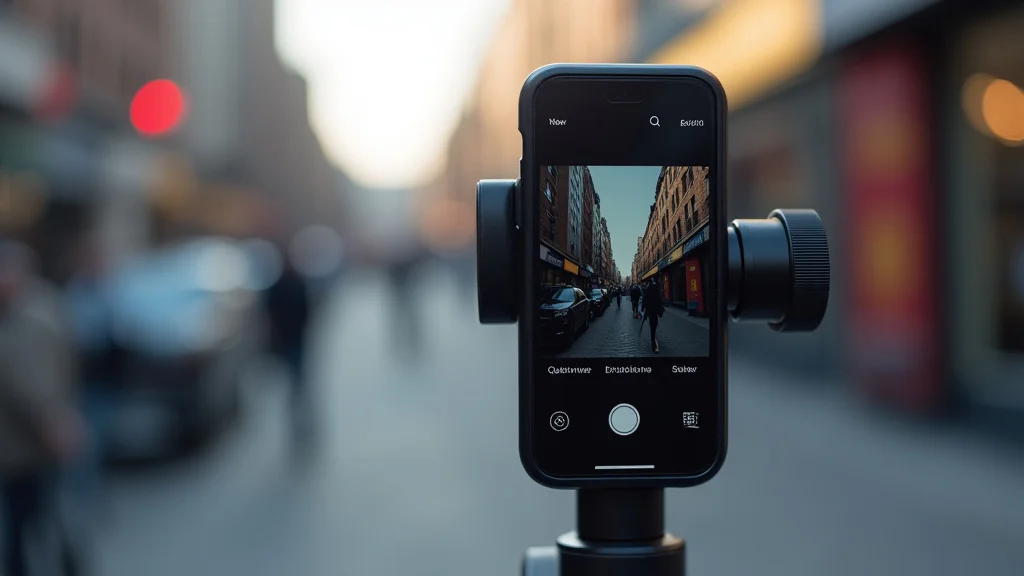
Choosing a best gimbal for smartphone can feel a bit tricky when you’re just starting out. There are so many options, and they all seem to do similar things. It’s easy to get lost in all the technical terms and features.
But don’t worry, we’re here to make it super simple. We’ll break it all down step-by-step so you can find the perfect gimbal for your needs. Get ready to take your videos from shaky to smooth!
Key Takeaways
- You will learn what a smartphone gimbal is and why it’s useful.
- We will explain the main features to look for in a gimbal.
- You will discover different types of gimbals and their uses.
- We will compare popular gimbal models to help you choose.
- You will find tips on how to use your gimbal effectively.
- We will cover common mistakes to avoid.
What Is A Smartphone Gimbal And Why You Need One
A smartphone gimbal is a device that helps you capture incredibly steady videos. Think about how much smoother your videos look when you’re walking or moving around. That’s thanks to a gimbal!
It uses motors and sensors to counteract your shaky hand movements. This makes your footage look professional and pleasing to watch. For anyone who wants to improve their mobile filmmaking, a gimbal is a must-have tool.
The Basic Idea Of Gimbal Stabilization
At its core, a gimbal works like a floating mount. It has several axes, usually three, that can move independently. These axes are controlled by motors that constantly adjust to keep your phone level and stable.
When you tilt, pan, or roll your phone, the motors work to cancel out that motion. This results in incredibly smooth video, even if you are running or moving through a crowded area.
- Smooth Motion Capture: The primary function is to eliminate jitters and shakes, providing buttery-smooth video. This is essential for creating visually appealing content that keeps viewers engaged. Imagine filming a walking tour or a sporting event; a gimbal makes the difference between a dizzying mess and a cinematic experience.
- Professional Look: Even if you’re just shooting with your phone, a gimbal can make your videos look like they were shot with expensive professional gear. This is important for content creators, small businesses, or anyone wanting to present themselves well online.
- Creative Control: Many gimbals offer advanced features that allow for creative shots. You can perform smooth pans, tilts, and even follow specific subjects with ease. This opens up a world of storytelling possibilities for your videos.
Why Standard Phone Stabilization Isn’t Enough
Modern smartphones have excellent digital image stabilization, but it has limits. Digital stabilization works by cropping into the image and digitally adjusting it. This can lead to a loss of image quality and a narrower field of view.
It also struggles with fast, unpredictable movements. A physical gimbal, however, uses motors to physically counteract motion, offering superior stabilization without compromising image quality. It can handle more extreme movements much better than digital methods alone.
Who Benefits Most From A Gimbal
Anyone who shoots video on their smartphone can benefit. This includes vloggers who film on the go, travelers capturing scenic views, families recording memories, and social media influencers creating engaging content. Businesses using video for marketing, real estate agents showcasing properties, and even musicians filming music videos can all achieve better results with a gimbal.
If you’re tired of shaky footage, a gimbal is your solution.
Key Features To Look For In A Smartphone Gimbal
When you’re shopping for the best gimbal for smartphone, there are several important features to consider. These features will determine how well the gimbal performs, how easy it is to use, and how versatile it is for your specific video needs. Paying attention to these details can save you frustration later and ensure you get a product that truly meets your expectations.
Number Of Axes
Gimbals typically have either two or three axes. A two-axis gimbal stabilizes pan and tilt movements, while a three-axis gimbal adds roll stabilization. For most users, a three-axis gimbal is highly recommended because it provides the smoothest and most professional-looking footage.
Three-axis stabilization can handle almost any type of movement you throw at it, making it ideal for dynamic shots.
- Three-Axis Stabilization: This is the gold standard for smartphone gimbals. It stabilizes movement along the pan (left-right), tilt (up-down), and roll (sideways tilt) axes. This comprehensive stabilization is crucial for creating cinema-quality video, especially when the camera operator is in motion.
- Two-Axis Stabilization: While less common now, some budget gimbals might only offer two axes. These typically stabilize pan and tilt but might not prevent unwanted rotation or sideways tilting. They can still improve stability over handheld shooting but are less effective for complex movements.
Payload Capacity And Phone Compatibility
Ensure the gimbal can support the weight of your smartphone, including any protective case you might be using. Most gimbals are designed for a wide range of smartphones, but it’s always good to check the specifications. A gimbal with a higher payload capacity can also accommodate larger phones or phones with extra accessories attached.
- Weight Limits: Check the maximum weight the gimbal can handle. Exceeding this limit can cause the motors to strain, leading to poor performance or damage. Make sure your phone plus any case fits comfortably within the specified range.
- Phone Size Compatibility: Gimbals have adjustable mounts to fit various phone widths and lengths. Always verify that your specific phone model will fit securely in the clamp.
Battery Life And Charging
Long battery life is essential if you plan on shooting for extended periods. Look for gimbals that offer several hours of continuous use on a single charge. Some gimbals also have the ability to charge your phone while it’s mounted, which can be a lifesaver on long shoots.
Fast charging capabilities are also a plus.
- Extended Runtime: A gimbal that lasts for 8-12 hours on a charge is ideal for a full day of shooting. This allows you to focus on capturing content without constantly worrying about finding a power outlet.
- Power Bank Functionality: Some advanced gimbals can act as a power bank for your smartphone. This is incredibly useful for keeping your phone charged during long outdoor adventures or busy event coverage.
Smart Features And Modes
Many gimbals come with intelligent tracking modes, time-lapse capabilities, and automated movements like the Dolly Zoom. These features can add a professional touch to your videos with minimal effort. Look for gimbals that offer modes like object tracking, face tracking, and panoramic shots.
- Object Tracking: This feature allows the gimbal to follow a selected object within the frame, keeping it in focus and centered. It’s perfect for capturing action shots or interviews where the subject is moving.
- Time-lapse And Hyperlapse: Create dynamic time-lapse videos with smooth camera movements. Hyperlapse adds motion to your time-lapse, offering even more visual interest.
- Panorama Mode: Easily capture stunning panoramic photos or videos by having the gimbal automatically sweep across a scene.
Ergonomics And Portability
Consider how comfortable the gimbal is to hold for extended periods. A lightweight and well-balanced design makes a big difference. Also, think about how easily it folds up for transport and storage.
Many gimbals come with carrying cases, which are great for travel.
- Comfortable Grip: A well-designed handle with non-slip material reduces hand fatigue during long shooting sessions.
- Foldable Design: Gimbals that fold down compactly are much easier to pack into a backpack or carry-on luggage for trips.
Types Of Smartphone Gimbals
Not all smartphone gimbals are created equal. They come in different designs and offer varying levels of functionality. Understanding these differences will help you pick the one that best suits your filming style and budget.
Single-Axis Gimbals
These are the most basic type of gimbal. They typically stabilize only one axis, usually the roll axis. While they can help reduce some shake, they are not as effective as two- or three-axis gimbals for creating smooth video.
They are generally less expensive but offer limited stabilization capabilities.
Two-Axis Gimbals
These gimbals stabilize two axes: pan and tilt. They are a step up from single-axis gimbals and can significantly improve video stability for many common shooting scenarios. They are a good option for beginners who want better stabilization without the higher cost of three-axis models.
Three-Axis Gimbals
As discussed earlier, these are the most advanced and highly recommended type. They stabilize pan, tilt, and roll, providing the smoothest and most professional results. They are ideal for dynamic shots, challenging environments, and anyone serious about mobile videography.
Specialty Gimbals
Beyond the standard models, there are also specialized gimbals. Some are designed for specific uses, like gimbals with built-in LED lights or those that can be mounted on other devices. Some may even have unique form factors for specific creative shots.
However, for general use, the three-axis models are usually the best all-around choice.
Comparing Popular Smartphone Gimbals
To give you a clearer picture, let’s look at a few popular smartphone gimbals. These examples represent different price points and feature sets, helping you see what’s available on the market. We’ll focus on their strengths and what makes them stand out.
| Gimbal Model | Number Of Axes | Key Features | Best For |
|---|---|---|---|
| DJI OM 6 | 3 | Intelligent tracking, built-in extension rod, magnetic phone clamp, ActiveTrack 5.0 | Content creators, travelers, ease of use |
| Zhiyun Smooth 5 | 3 | Professional controls, strong motors, built-in fill lights, robust design | Filmmakers, professionals, demanding shoots |
| Hohem iSteady Pro 4 | 3 | Waterproof, foldable design, good battery life, budget-friendly | Outdoor adventurers, budget-conscious users |
DJI OM 6 Overview
The DJI OM 6 is a top contender for many users. It boasts excellent stabilization and user-friendly features. Its magnetic phone clamp system makes attaching and detaching your phone quick and easy.
The built-in extension rod is a fantastic addition, allowing for more creative angles, selfies, and smoother panning shots.
- Ease Of Use: The DJI OM 6 is known for its intuitive controls and simple setup process. It’s a great choice for beginners who want professional results without a steep learning curve. The app is also very user-friendly.
- Intelligent Features: ActiveTrack 5.0 offers advanced subject tracking. It can lock onto subjects with impressive accuracy, even in complex environments. This is invaluable for capturing dynamic shots without needing to constantly adjust the gimbal manually.
- Portability: It folds down compactly, making it easy to carry in a bag. The magnetic attachment also speeds up the process of getting ready to shoot.
Zhiyun Smooth 5 Analysis
The Zhiyun Smooth 5 is a powerhouse, often favored by those who want more control and higher performance. It features strong motors capable of handling heavier phones and accessories. The integrated fill lights are a unique and useful feature for improving lighting in various shooting conditions.
- Robust Performance: Its powerful motors can handle a wider range of phones and accessories, ensuring stable footage even under demanding conditions. This makes it a reliable tool for professional-level work.
- Professional Controls: The control panel offers a variety of physical buttons and a control wheel, giving users fine-tuned adjustments for focus, zoom, and camera settings directly from the gimbal.
- Built-in Lighting: The optional fill lights attached to the gimbal can provide extra illumination for your subject, which is incredibly useful for interviews or low-light situations.
Hohem iSteady Pro 4 Benefits
The Hohem iSteady Pro 4 is a great option if you’re looking for a reliable, waterproof gimbal at a more accessible price point. It’s perfect for outdoor activities and adventures where weather might be a concern. Its foldable design also adds to its portability.
- Waterproof Design: This is a standout feature, allowing you to film in rain or near water without worry. This opens up creative possibilities for adventure filmmaking.
- Affordability: It offers excellent value for money, providing solid three-axis stabilization and useful features without breaking the bank. It’s a smart choice for budget-conscious creators.
- Long Battery Life: Users often praise its extended battery performance, meaning you can shoot for longer periods without needing to recharge.
Using Your Gimbal Effectively For Great Videos
Once you have your gimbal, the next step is learning how to use it to its full potential. Simple techniques can elevate your footage from amateur to impressive. It’s not just about the gear; it’s about how you use it.
Basic Handling And Movement Techniques
When holding your gimbal, try to keep your grip relaxed but firm. Avoid jerky movements. Think of your movements as flowing, like a dancer.
Smoothly walk, turn, and pan. Bend your knees when moving up or down to absorb shock. This is often referred to as “ninja walking” in filmmaking circles.
- Walk Smoothly: When walking, imagine you’re trying not to wake a sleeping baby. Take smaller steps, keep your knees slightly bent, and try to maintain an even pace. This is the most fundamental technique for smooth footage.
- Controlled Panning: When you need to turn your camera to follow a subject or scan a scene, use your body to turn slowly. Avoid just twisting your wrists. A gentle, consistent turn of your torso will result in a much smoother pan.
- Tilting Gracefully: Similarly, for up and down movements (tilting), use your arms and shoulders to guide the gimbal smoothly. Avoid sharp, sudden tilts.
Understanding Gimbal Modes
Most gimbals have different modes that alter how they respond to your movements. Knowing these modes will help you choose the right one for the shot you want.
- Pan Follow Mode: This is the most common mode. It allows the gimbal to follow your left-right movements (pan) but keeps the tilt and roll stable. This is great for tracking subjects as they move side-to-side.
- Lock Mode: In lock mode, the gimbal will keep the camera pointing in one fixed direction relative to its starting position, no matter how you move the handle. This is useful for static shots or when you want to maintain a specific framing.
- Follow Mode (or Full Follow): This mode allows the gimbal to follow your movements on all axes (pan, tilt, and roll). It’s ideal for dynamic shots where you are constantly moving and want the camera to follow your lead.
- FPV Mode (First Person View): Some gimbals have an FPV mode where the camera moves with you on all three axes, giving a POV-like perspective. This can create very immersive shots.
Using Smart Features For Creative Shots
Don’t shy away from the smart features! Object tracking can help you capture action sequences effortlessly. Time-lapse modes can create stunning visual narratives of changing scenes, like sunsets or busy city streets.
Experiment with these tools to add variety and polish to your videos.
- Dolly Zoom Effect: Many gimbals allow you to perform a “dolly zoom” or “vertigo effect.” This is achieved by moving the gimbal forward or backward while simultaneously zooming in or out on your phone’s camera. It creates a dramatic, disorienting visual.
- Cinematic Movement Examples: Try creating a smooth orbit shot by walking in a circle around a subject while the gimbal pans to keep them centered. Or practice a smooth crane shot by lifting the gimbal upwards.
- Storytelling Through Movement: Consider how movement can enhance your story. A slow, steady pan across a landscape can evoke peace, while a rapid following shot can create excitement.
Maintaining Your Gimbal
Just like any electronic device, gimbals need a little care. Keep them clean and dry. Store them properly in their protective cases when not in use.
Ensure the motors are not stressed by carrying too much weight. Regular software updates, if available through the companion app, can also improve performance.
Common Myths Debunked
There are a few common misunderstandings about smartphone gimbals. Let’s clear them up so you can make an informed decision.
Myth 1: Gimbals Are Only For Professional Filmmakers
This is far from the truth. While professionals certainly use them, gimbals are more accessible and user-friendly than ever. Many models are designed with beginners in mind, offering simple controls and automated features that make capturing high-quality video easy for anyone.
You don’t need to be a Hollywood director to use one.
Myth 2: You Can’t Use A Gimbal With A Case On Your Phone
Most modern gimbals are designed to accommodate smartphones with protective cases. The clamp mechanisms are usually wide enough to fit most standard cases. However, it’s always a good idea to check the gimbal’s specifications for maximum phone and case width compatibility to be sure.
Myth 3: All Gimbals Stabilize Video Equally Well
This is incorrect. The number of axes is a major factor; three-axis gimbals offer significantly better stabilization than two-axis models. Additionally, the quality of the motors, sensors, and the gimbal’s software all play a crucial role in how effectively it counteracts movement.
Higher-end gimbals generally offer superior stabilization.
Myth 4: Gimbals Make Your Videos Look “Too Smooth” Or Unnatural
When used correctly, a gimbal adds a professional polish, not an unnatural feel. The goal is to eliminate unwanted shakes and jitters, making the footage pleasing to the eye. If a gimbal is overused or set up incorrectly, it can sometimes lead to less dynamic shots.
However, learning to control the gimbal’s movement allows for both smooth and dynamic footage.
Frequently Asked Questions
Question: What is the most important feature of a smartphone gimbal
Answer: The most important feature is three-axis stabilization, as it provides the smoothest and most professional-looking video by counteracting movement on all directions.
Question: Can I use my gimbal in the rain
Answer: Only if the gimbal is specifically advertised as waterproof. Most standard gimbals are not designed for wet conditions and should be protected from moisture.
Question: Do I need a special app to use a gimbal
Answer: While many gimbals work with your phone’s native camera app for basic functions, most have a companion app that unlocks advanced features like intelligent tracking, time-lapses, and specific shooting modes.
Question: How much do good smartphone gimbals typically cost
Answer: Good quality three-axis smartphone gimbals can range from about $80 to $300, depending on the brand, features, and build quality.
Question: Will a gimbal work with my large smartphone
Answer: Most modern gimbals are designed to fit a wide range of smartphone sizes, including larger models. Always check the gimbal’s specifications for maximum phone width and weight capacity.
Wrap Up
Finding the best gimbal for smartphone means looking for three-axis stabilization, good battery life, and smart features that fit your shooting style. With a bit of practice and these tips, you’ll be capturing incredibly smooth and professional-looking videos. Start experimenting with your gimbal today and see your mobile filmmaking skills grow!