Looking for a smartphone gimbal amazon can feel a bit tricky at first. You want smooth videos, but where do you start? So many choices!
Don’t worry, it’s easier than you think to find the right one. We’ll walk through it step by step. Let’s find you a great gimbal that makes your videos look amazing.
This guide will help you pick the perfect tool for your phone.
Key Takeaways
- You will learn what makes a smartphone gimbal great for smooth video.
- We will explain the most important features to look for when buying.
- You will discover how to find the best deals on Amazon.
- This post will help you pick a gimbal for your specific needs and budget.
- We will cover common questions about using smartphone gimbals.
What is a Smartphone Gimbal and Why You Need One
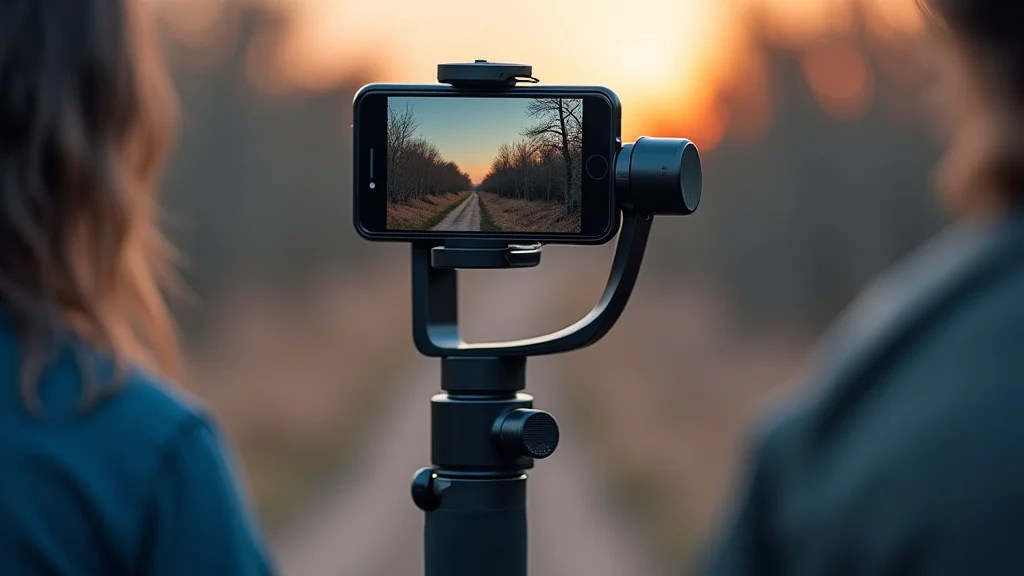
A smartphone gimbal is a device that uses motors and sensors to keep your phone steady while you move. Think of it like a tiny, smart tripod that follows your actions. This is super useful because even when you walk or run, your videos stay smooth and shake-free.
Without one, shaky footage can really distract viewers. It makes your content look much more professional.
The Magic of Stabilization
Gimbals work by counteracting your phone’s movements. If you tilt your phone up, the gimbal motor moves it down to keep it level. If you shake it side to side, the gimbal corrects that too.
This process is called active stabilization. It’s like having an invisible hand holding your phone perfectly still. This constant adjustment creates those buttery-smooth shots you see in professional videos.
Imagine trying to film a fun event like a birthday party or a concert. You’ll be walking around, maybe even dancing a little. If you just hold your phone, the video will be a mess of jitters and wobbles.
A gimbal turns that chaos into a clear, watchable memory. It’s a must-have for anyone serious about mobile videography.
Benefits of Using a Gimbal
Using a gimbal offers many advantages. The most obvious is improved video quality. Smooth footage is more engaging and pleasant to watch.
It also allows for creative camera movements. You can do slow pans, dramatic dolly shots, and smooth following shots with ease. This opens up a world of cinematic possibilities for your smartphone videos.
Beyond aesthetics, gimbals can make your videos more informative. When filming a demonstration or a tutorial, steady shots ensure viewers can clearly see what you are doing. It’s also great for vlogging.
You can walk and talk without the audience feeling like they are on a bumpy ride. This makes your content more watchable and professional.
- Smoother Videos Your footage will look professional and polished.
- Creative Shots You can achieve cinematic camera movements.
- Better Vlogging Walk and talk without shaky video.
- Showcase Products Clear, stable shots for reviews and demos.
- Capture Action Film sports or events without the shake.
Choosing the Right Smartphone Gimbal on Amazon
Amazon is a fantastic place to find smartphone gimbals. You have a huge selection to choose from. But how do you pick the best one for you?
We’ll look at the key features to consider. This will help you narrow down your choices and find a gimbal that fits your needs and budget.
Key Features to Consider
When looking for a gimbal, pay attention to a few things. First, check the number of axes. Most gimbals have either 2-axis or 3-axis stabilization.
A 3-axis gimbal offers much better stabilization as it corrects for pitch, roll, and yaw. This is generally what most people want for smooth video.
Another important feature is the gimbal’s payload capacity. This is the maximum weight it can comfortably handle. Make sure it can support your specific smartphone model.
Also, consider the battery life. You don’t want your gimbal dying halfway through filming an important event. Look for gimbals with long battery life or options for external power.
Connectivity is also key. Most gimbals connect to your phone via Bluetooth. This allows them to control your phone’s camera app.
Some also offer built-in follow focus or zoom controls, which can be very useful. Think about how you plan to use the gimbal. Do you need advanced features, or is basic stabilization enough?
- Number of Axes Aim for 3-axis stabilization for the best results.
- Payload Capacity Ensure it can hold your smartphone securely.
- Battery Life Look for long-lasting batteries for extended use.
- Connectivity Options Bluetooth for camera control is standard.
- Special Features Consider follow focus, tracking, or different shooting modes.
Understanding Gimbal Specifications
Let’s break down some common specs you’ll see.
Axes of Stabilization
This refers to the number of independent motors that keep your phone steady.
- 2-Axis Gimbal Corrects for tilt (up/down) and roll (side-to-side). This is good for basic stabilization but might miss some jerky movements.
- 3-Axis Gimbal Corrects for tilt, roll, and yaw (left/right pan). This provides the most comprehensive stabilization and is ideal for almost all situations, offering incredibly smooth footage.
Payload Capacity
This is the maximum weight the gimbal motors can support. It’s usually listed in grams or kilograms. You need to know the weight of your smartphone, including any case you might use.
A gimbal overloaded will struggle to stabilize properly, leading to jerky footage. Always check your phone’s weight and compare it to the gimbal’s stated payload.
For example, a typical smartphone might weigh between 150-250 grams. Most gimbals designed for smartphones can easily handle this. However, if you plan to add lenses or accessories to your phone, you’ll need to check the higher end of the payload capacity.
Battery Life
Gimbals use motors and electronics, which consume battery power. Battery life is typically measured in hours of continuous operation. Some gimbals offer removable batteries, which is great for swapping them out on long shoots.
Others have built-in batteries. Look for at least 8-12 hours of advertised battery life for good coverage during a day of filming.
A common misconception is that higher battery life always means better performance. While important, it’s more about having enough power for your typical filming sessions. Charging times also vary, so check how long it takes to fully recharge the gimbal.
Connectivity
Most smartphone gimbals use Bluetooth to connect to your phone. This connection allows the gimbal to communicate with your phone’s camera app. It enables features like starting/stopping recording, taking photos, and sometimes even controlling zoom or focus directly from the gimbal’s controls.
Ensure the gimbal is compatible with your phone’s operating system (iOS or Android) and camera app.
Popular Gimbal Brands on Amazon
Amazon offers a wide range of brands, from well-established names to newer contenders. Some of the most popular brands you’ll find include DJI, Zhiyun, and Hohem. Each brand offers different models with varying features and price points.
DJI is known for its high-quality drones and also makes excellent gimbals like the Osmo Mobile series. Zhiyun is another strong player, offering a variety of gimbals for different needs and budgets. Hohem provides often more affordable options that still deliver good performance.
DJI Osmo Mobile Series
The DJI Osmo Mobile series is a top choice for many creators. These gimbals are known for their robust build quality, advanced stabilization, and smart features like ActiveTrack, which keeps your subject in frame. They are user-friendly and offer excellent performance.
For instance, a user might purchase a DJI Osmo Mobile 6 and find it effortlessly stabilizes their iPhone footage while walking their dog. The tracking feature could be set to follow the dog, keeping it centered in the frame even as the user and dog move around. This results in a fun, dynamic video that would be impossible to shoot handheld.
Zhiyun Smooth Series
Zhiyun’s Smooth series, such as the Smooth 5 or Smooth Q4, are also very popular. They offer great value and a good balance of features and performance. Many Zhiyun gimbals come with integrated LED lights or powerful app features for creative shooting.
A filmmaker might use a Zhiyun Smooth 5 to shoot a short film scene. They could use the gimbal’s advanced controls to perform a smooth crane shot, moving the camera up and down while tracking a character. The powerful motors ensure the shot remains steady, adding a professional touch to the scene.
Hohem iSteady Series
Hohem offers a range of gimbals under its iSteady line, often at more accessible price points. These are great for beginners or those on a tighter budget. They still provide good stabilization and useful features for everyday filming.
A student creating a video project might opt for a Hohem iSteady Mobile Plus. They could use it to film a presentation or a walk-through of their school campus. The gimbal would ensure their voiceover and visuals are clear and steady, making the project more professional and easier for their classmates to follow.
Using Your Gimbal Effectively
Getting a gimbal is just the first step. Learning to use it well will make a huge difference in your video quality. We’ll cover how to set it up and some common shooting techniques.
Setting Up Your Gimbal
First, you’ll need to balance your phone on the gimbal. This is a crucial step. Most gimbals have adjustable arms and clamps to help with this.
- Mount Your Phone Place your smartphone securely in the gimbal’s phone clamp.
- Adjust Tilt Axis Loosen the tilt lock and adjust the arm until your phone stays in a neutral position when you let go.
- Adjust Roll Axis With the tilt axis balanced, adjust the roll arm so your phone doesn’t tilt to the left or right.
- Adjust Pan Axis If your gimbal has a pan adjustment, ensure it moves smoothly without resistance.
- Lock and Connect Once balanced, lock all axes and connect the gimbal to your phone via Bluetooth.
Balancing is essential because it allows the motors to work efficiently. An unbalanced gimbal will strain its motors, leading to poor performance, battery drain, and potentially jerky footage. Take your time with this step for the best results.
Basic Shooting Techniques
Once your gimbal is balanced and connected, you can start filming. Here are some basic techniques.
- Walking Shots Hold the gimbal with a comfortable grip and walk smoothly. Bend your knees slightly to absorb impact.
- Panning Shots Gently rotate the gimbal’s handle to pan left or right, following a subject or revealing a scene.
- Tilting Shots Use the joystick or tilt the gimbal to move the camera up or down for dramatic effect.
- Follow Mode Most gimbals have a ‘follow’ mode where the camera stays locked onto a subject as you move around it.
- Lock Mode In lock mode, the camera stays pointed in a single direction, no matter how you move the gimbal. This is useful for static shots.
Practice these techniques in different environments. Try filming indoors, outdoors, in daylight, and low light. The more you practice, the more natural these movements will become.
Advanced Features and Modes
Many gimbals offer advanced features to enhance your creativity.
Tracking Shots
This feature uses your phone’s camera and AI to follow a selected subject. You can track people, pets, or even objects. This is incredibly useful for sports footage or creating dynamic videos of moving subjects.
For example, if you’re filming a parkour athlete, you can select them as the target. The gimbal will automatically adjust to keep them in the center of the frame as they jump and run, creating a professional-looking chase scene.
Time-Lapse and Hyperlapse
Gimbals can create stunning time-lapse and hyperlapse videos. A time-lapse captures a slow process over time (like clouds moving), while a hyperlapse involves moving the gimbal between shots to create a dynamic, sped-up journey.
Imagine creating a hyperlapse of a city skyline at sunset. You would set up the gimbal at a fixed point, take a shot, move the gimbal a short distance, take another shot, and repeat this process. The resulting video shows a smooth, sped-up journey through the city as the light changes.
Panorama Mode
Some gimbals can automatically capture a series of photos to create a wide panoramic image. The gimbal moves precisely to capture overlapping shots, which are then stitched together to form a seamless panorama.
A travel vlogger might use panorama mode to capture a breathtaking landscape. Instead of trying to hold their phone steady for multiple shots, the gimbal takes over, ensuring perfect alignment for a stunning, wide-view photo of mountains or a coastline.
Here’s a quick look at how some common scenarios benefit:
| Scenario | Gimbal Feature Used | Result |
|---|---|---|
| Filming a marching band parade | Smooth panning and tracking | Steady shots that follow the action without distracting shakes. |
| Documenting a construction project | Time-lapse and stable walking shots | Shows progress over time and clear footage of site activities. |
| Creating a real estate video tour | Smooth movement and lock mode | Professional walkthroughs of properties, highlighting features clearly. |
| Capturing a pet playing | Subject tracking | Keeps the playful pet in focus even as it runs around. |
Smartphone Gimbals on Amazon Tips and Tricks
Shopping on Amazon can be overwhelming. Here are some tips to help you find the best deals and make a smart purchase.
Reading Reviews Effectively
Customer reviews are a goldmine of information. When reading them, look for patterns. Do many people mention the same issue, like a specific phone not working well?
Or do many praise the same feature?
Pay attention to recent reviews, as product models can be updated. Also, look for reviews that include photos or videos of the gimbal in action. These can give you a real-world perspective.
Don’t just look at the star rating; read what people are saying.
Comparing Prices and Deals
Amazon often has sales and discounts. Use the “Sort by” feature to arrange products by price from low to high. Keep an eye out for “Lightning Deals” or “Deals of the Day.”
Consider refurbished or used options if you’re on a tight budget. Amazon Warehouse often sells gently used or open-box items at a discount. Always check the seller’s rating and the return policy.
What to Watch Out For
Be wary of listings with very little information or poor-quality images. If a price seems too good to be true, it might be. Ensure the seller is reputable.
Also, double-check the product description to confirm compatibility with your specific smartphone model. Some gimbals might have limitations with certain phone sizes or operating systems.
Here’s a general guide based on what users often look for:
- Beginner-friendly gimbals are usually simpler, with fewer buttons and automatic features.
- Intermediate gimbals offer more manual controls and advanced modes like object tracking.
- Professional gimbals have the most features, highest build quality, and often support heavier setups.
Common Myths Debunked
Myth 1: Gimbals are only for professional filmmakers.
This is not true. While professionals use them, modern gimbals are designed to be user-friendly and affordable for everyday users and hobbyists. Anyone who wants smoother smartphone videos can benefit.
Myth 2: All smartphone gimbals work the same.
Gimbals vary significantly. The number of axes, motor quality, battery life, and available features differ greatly between models and brands. A basic 2-axis gimbal is very different from a high-end 3-axis model with advanced tracking.
Myth 3: Balancing a gimbal is too difficult.
Balancing can take a little practice at first, but most modern gimbals have clear instructions and intuitive adjustments. Once you get the hang of it, it becomes a quick step before filming. It’s essential for good performance.
Myth 4: Gimbals make every video look the same.
A gimbal provides stabilization, but your creativity is still key. You can achieve many different looks with a gimbal, from smooth tracking shots to dramatic sweeping movements. The tool enables creative choices, but the artist makes them.
Frequently Asked Questions
Question: Can I use a gimbal with any smartphone
Answer: Most gimbals are designed to work with a wide range of smartphones, but it’s always best to check the gimbal’s specifications for compatibility with your specific phone model and size.
Question: Do I need to download an app to use a gimbal
Answer: Many gimbals work with your phone’s native camera app via Bluetooth. However, most brands offer companion apps that unlock advanced features like tracking, time-lapses, and special shooting modes.
Question: How do I charge a smartphone gimbal
Answer: Most gimbals are charged via a USB cable, often USB-C. Some models may have removable batteries that can be charged separately.
Question: Will a gimbal work with a thick phone case
Answer: This depends on the gimbal’s clamp size and flexibility. Larger clamps can accommodate most cases. Always check the maximum phone width the gimbal can hold.
Question: Can I use my gimbal in the rain
Answer: Most smartphone gimbals are not waterproof. It’s best to avoid using them in wet conditions unless the product specifically states it is weather-resistant.
Conclusion
Finding the right smartphone gimbal on Amazon is achievable with this guide. You now know what to look for, how to compare options, and how to use your new tool effectively. Happy filming and enjoy your smoothly shot videos!