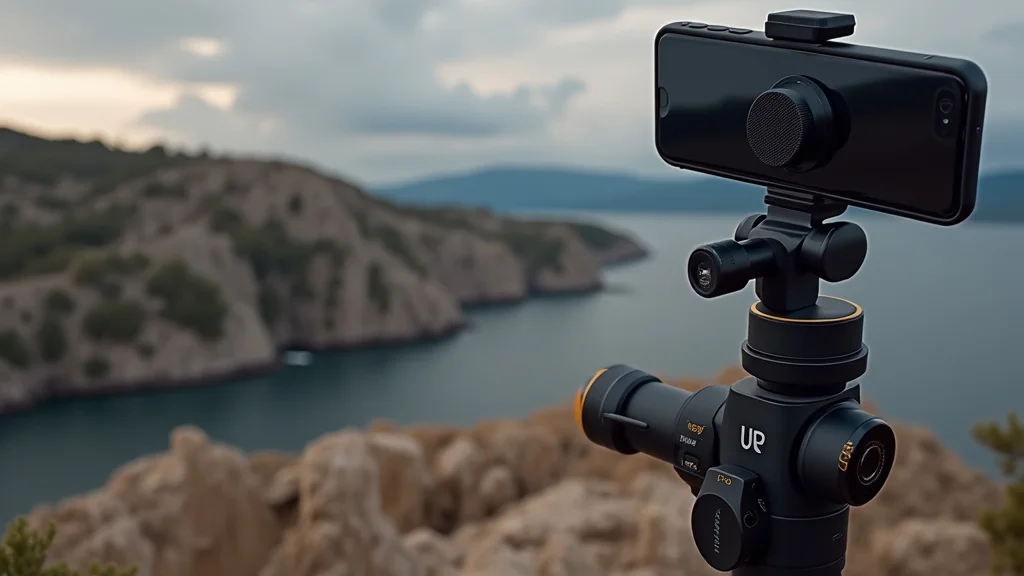
Choosing the best handheld gimbal for smartphone can feel a bit tricky when you first start. There are so many options out there, and figuring out which one is right for you might seem hard. But don’t worry, it’s actually quite simple once you know what to look for.
This guide will break it all down step-by-step. We’ll help you find the perfect gimbal without any fuss. Get ready to make your videos look amazing!
Key Takeaways
- You will learn what makes a gimbal great for phone videos.
- We will explore different types of gimbals and their uses.
- Discover the features that matter most for smooth footage.
- Understand how to pick the best handheld gimbal for smartphone based on your needs.
- Learn tips for using your gimbal to its full potential.
- Find out what common mistakes to avoid when buying or using a gimbal.
What Is A Handheld Gimbal For Smartphone
Understanding How A Handheld Gimbal Works
A handheld gimbal for smartphone is a device that uses motors and sensors to keep your phone steady. It helps you shoot smooth video footage, even when you are walking or moving around. Think of it as a smart stabilizer for your phone’s camera.
It counteracts shakes and jitters, making your videos look professional and polished. This is a big step up from just holding your phone by hand. The technology behind it is pretty clever.
The Role Of Motors And Sensors
At its heart, a gimbal has small motors. These motors constantly adjust to keep your phone level. They work with sensors that detect any movement.
These sensors tell the motors exactly how to move. This happens many times a second. It’s like having a tiny robotic assistant holding your phone perfectly still for you.
This continuous adjustment is what makes the footage so smooth.
- Stabilization Technology The core of a gimbal is its stabilization system. This involves a combination of brushless motors and advanced gyroscopic sensors. These components work in harmony to detect and counteract unwanted movements. The motors apply precise counter-rotations to keep the camera stable. This results in footage that looks like it was shot on professional cinematic equipment.
- Axis of Movement Gimbals typically operate on three axes: pitch, roll, and yaw. Pitch controls the up and down movement. Roll controls the side-to-side tilt. Yaw controls the left and right panning. By controlling all three, the gimbal can achieve incredibly smooth and fluid shots. This allows for creative camera movements that would be impossible otherwise.
- Power Source Gimbals are powered by rechargeable batteries. The battery life can vary greatly depending on the gimbal model and how it is used. Longer battery life means you can shoot for extended periods without needing to recharge. This is important for long filming sessions or when you are out and about.
Benefits Of Using A Gimbal
Using a gimbal offers many advantages for mobile videography. The most obvious is the dramatic improvement in video quality. Shaky footage is a common problem for beginners.
A gimbal solves this instantly. Your videos will look more professional. They will be easier for viewers to watch.
This can make a big difference if you are sharing videos online.
- Smooth Footage The primary benefit is the elimination of shaky video. Your recordings will have a cinematic quality. They will be pleasant to watch. This is crucial for any kind of video content, from vlogs to short films.
- Creative Shots Gimbals allow for complex camera movements. You can perform smooth pans, tilts, and dollies. This adds visual interest to your videos. You can follow subjects with ease. You can create dynamic tracking shots that were previously difficult to achieve with just a phone.
- Enhanced Storytelling Smoother, more professional-looking videos can enhance your storytelling. Viewers are more likely to engage with content that is visually appealing. A gimbal helps you present your story in the best possible light. It makes your content stand out.
Factors To Consider When Buying The Best Handheld Gimbal For Smartphone
Budget And Price Range
The cost of a handheld gimbal for smartphone can vary a lot. Some are very affordable, while others are quite expensive. It’s important to set a budget before you start looking.
Think about how much you are willing to spend. You can find good options at different price points. A higher price doesn’t always mean it’s the best for you.
Consider what features are most important. This will help you find a balance between cost and functionality.
- Entry-Level Gimbals These are typically the most affordable options. They offer basic stabilization and are great for beginners. They might have fewer advanced features or a slightly less robust build. However, they can still significantly improve your smartphone videos.
- Mid-Range Gimbals This category offers a good balance of features and price. They usually have better build quality, longer battery life, and more advanced stabilization modes. They are suitable for hobbyists and aspiring content creators.
- Professional-Grade Gimbals These are the most expensive but offer the best performance. They have superior build materials, advanced features like object tracking and gesture control, and longer battery life. They are designed for serious content creators and professionals.
Smartphone Compatibility And Size
Not all gimbals work with every smartphone. You need to check if the gimbal supports your phone’s size and weight. Most gimbals have a maximum payload capacity.
Make sure your phone plus any accessories you use, like a case, doesn’t exceed this limit. Also, consider how easy it is to mount and dismount your phone. Some gimbals have quick-release plates, which are very convenient.
- Phone Size Limits Check the gimbal’s specifications for the maximum and minimum phone width it can hold. Most modern gimbals are designed to fit a wide range of smartphones, from smaller models to larger “phablets.”
- Weight Capacity Each gimbal has a maximum weight it can stabilize. Ensure your phone, especially with a case, doesn’t exceed this limit. Overloading a gimbal can lead to poor performance or damage to the motors.
- Mounting Mechanism Look for a secure and easy-to-use mounting system. Some gimbals use spring-loaded clamps, while others use screws. Quick-release mechanisms are a bonus for fast setup.
Key Features To Look For
When searching for the best handheld gimbal for smartphone, several features stand out. These can greatly enhance your filming experience. Think about what kind of videos you want to make.
This will help you decide which features are most important. Some common features include different shooting modes, battery life, and portability.
Stabilization Modes
Gimbals offer various stabilization modes to suit different shooting styles. These modes allow you to control how the gimbal moves. They help you achieve specific cinematic effects.
Understanding these modes is key to unlocking the full potential of your gimbal.
- Pan Follow Mode This is the most basic mode. The gimbal follows your hand’s movement left and right. It keeps the up and down tilt steady. This mode is great for smooth panning shots. It is useful when following a subject walking or moving across a scene.
- Lock Mode In lock mode, the gimbal keeps your phone pointing in a fixed direction. No matter how you move the gimbal, the phone stays aimed at the same spot. This is useful for creating shots where the camera stays focused on one point while the surroundings move.
- Follow Mode (or Full Follow) This mode allows the gimbal to follow your hand movements in all three axes: pan, tilt, and roll. It gives you the most freedom for creative shots. It lets you mimic complex camera movements with ease.
- Sport Mode Some gimbals offer a “Sport Mode” or similar. This mode is designed for fast-paced action. It increases the responsiveness of the motors. This allows the gimbal to keep up with rapid movements. It is ideal for sports or high-energy activities.
Battery Life And Charging
Good battery life is essential for a handheld gimbal for smartphone. You don’t want your gimbal to die in the middle of filming. Most gimbals offer several hours of operation on a full charge.
Some can even power your phone while you film. Look for gimbals that support fast charging or can be powered by a power bank.
- Runtime Check the advertised battery life. This is usually stated in hours. Real-world usage might be slightly less depending on the intensity of movement and features used. Aim for a gimbal that can last at least 6-8 hours for a full day of shooting.
- Charging Time How long does it take to fully charge the gimbal? Faster charging means less downtime. Some gimbals can be charged via USB-C, which is a common and convenient standard.
- Power Bank Compatibility Can the gimbal be powered by an external power bank? This is a great feature for extending shooting time indefinitely. It means you can keep filming as long as you have power banks charged.
Portability And Build Quality
You’ll likely be carrying your gimbal around, so portability is important. Many gimbals are foldable, making them easy to pack in a bag. The build quality also matters.
A sturdy gimbal will last longer and perform better. Look for durable materials like aluminum alloy.
- Foldable Design Many modern gimbals fold up into a compact size. This makes them easy to transport and store. A foldable gimbal is perfect for travel and on-the-go shooting.
- Weight Consider the weight of the gimbal itself. A lighter gimbal will be less fatiguing to hold for long periods. However, lighter gimbals might sometimes sacrifice some build robustness.
- Materials Gimbals made from high-quality materials like aircraft-grade aluminum offer better durability. They can withstand more wear and tear. This ensures your investment lasts longer.
Software And App Features
Many gimbals come with companion apps. These apps offer advanced controls and features. They can include things like object tracking, time-lapses, and motion control.
A good app can significantly enhance your creative possibilities.
- Object Tracking This feature allows the gimbal to automatically follow a specific subject. You can select an object on your phone screen, and the gimbal will keep it in frame. This is incredibly useful for filming interviews or dynamic action.
- Time-Lapse and Motion-Lapse Apps often provide modes for creating time-lapses or motion-lapses. Motion-lapses involve the gimbal moving slowly between set points while capturing frames for a time-lapse effect. This can create stunning visual sequences.
- Gesture Control Some advanced gimbals offer gesture control. You can use hand gestures to start/stop recording, take photos, or change modes. This adds a futuristic and convenient way to operate the gimbal.
- Firmware Updates Check if the gimbal manufacturer provides regular firmware updates. These updates can improve performance, fix bugs, and even add new features over time.
Top Handheld Gimbals For Smartphone Reviewed
The Best Overall Choice
When you’re looking for the best handheld gimbal for smartphone, one brand often comes to mind for its reliability and features. This gimbal offers an excellent balance of performance, ease of use, and a robust feature set. It’s a favorite among content creators for good reason.
Its design is user-friendly, making it accessible even for those new to gimbals. The stabilization is top-notch, ensuring buttery-smooth footage in almost any condition. Plus, its companion app is packed with creative tools that expand your shooting capabilities.
- Performance Excellence This gimbal excels in stabilization, delivering incredibly smooth and professional-looking video. It effectively eliminates shake and jitters, even during complex movements.
- User-Friendly Interface The controls are intuitive, and the mounting process for your smartphone is quick and secure. The companion app is also well-designed and easy to navigate.
- Creative Features It supports advanced shooting modes like object tracking, time-lapses, and motion-lapses, offering ample room for creative expression.
- Build Quality Constructed with durable materials, this gimbal feels solid and reliable, promising longevity.
A Great Budget-Friendly Option
If you’re on a tighter budget but still want great results, there are excellent affordable options. This particular gimbal is a fantastic choice for beginners or those who need a reliable performer without breaking the bank. It provides solid stabilization that will significantly improve your videos.
While it might lack some of the high-end features of more expensive models, it covers all the essential bases for smooth smartphone filming. It’s lightweight and easy to carry, making it a practical choice for everyday use.
- Affordable Price Point This gimbal offers exceptional value for its price, making advanced stabilization accessible to more users.
- Solid Stabilization It effectively smooths out common movements, providing much better video quality than handheld shooting.
- Lightweight and Portable Its compact and lightweight design makes it easy to take anywhere and comfortable to use for extended periods.
- Essential Features Included It includes core stabilization modes and a functional app for basic creative control.
The Most Feature-Rich Gimbal
For those who want all the bells and whistles, this gimbal stands out. It’s packed with advanced technology and features that empower even the most demanding creators. It offers superior object tracking, gesture control, and often, the ability to control more camera settings directly from the gimbal.
If you’re serious about mobile filmmaking and want the ultimate creative control, this is likely the best handheld gimbal for smartphone for you. The investment comes with a significant boost in capability.
- Advanced Object Tracking Its object tracking capabilities are among the best, reliably keeping subjects in frame even in busy environments.
- Gesture Control Functionality The inclusion of gesture control allows for intuitive operation, enabling hands-free adjustments and recording starts.
- Extensive Creative Modes This gimbal supports a wide array of creative shooting modes, including advanced motion-lapse and hyperlapse features.
- Premium Build and Performance It boasts high-end materials and exceptionally smooth, professional-grade stabilization.
How To Use Your Handheld Gimbal For Smartphone Effectively
Balancing Your Smartphone
Before you turn on your gimbal, you must balance your phone. This is a critical first step for proper operation. If the phone is not balanced, the motors will work harder.
This can lead to overheating, poor stabilization, and reduced battery life. Most gimbals have adjustable arms and mounts to help you achieve this balance.
- Adjust Tilt Axis First, loosen the tilt lock and hold the gimbal level. Adjust the phone’s position on the mount until it stays level on its own when you let go. This ensures it’s balanced front to back.
- Adjust Roll Axis Next, adjust the roll axis arm. This arm controls the phone’s left-to-right balance. You want the phone to stay upright without leaning to either side when you tilt the gimbal.
- Adjust Pan Axis Finally, the pan axis allows the phone to swing left or right. Gently push the gimbal forward and backward. The phone should move smoothly left and right without fighting against the gimbal’s arm. It should also hold its position when you stop pushing.
Getting Started With Basic Shots
Once your phone is balanced and mounted, it’s time to start filming. Begin with simple shots to get a feel for the gimbal’s movement. Practice walking smoothly.
Try panning from one subject to another. The key is to move your body rather than just your arms. Think of your arm and the gimbal as an extension of your body.
- Smooth Walking When walking, bend your knees slightly. Use a gentle, consistent pace. Avoid jerky movements. Imagine you are gliding rather than stepping. This will translate into smooth footage.
- Basic Panning To pan, turn your whole body slowly. Keep the gimbal held steady in front of you. Focus on a smooth, continuous rotation. This is perfect for revealing a scene or following a moving subject.
- Tilting Up and Down For smooth tilts, use your shoulder and arm to guide the gimbal gently. Avoid rapid up or down movements. Gradual tilts can add a sense of discovery or emphasis.
Exploring Advanced Techniques
Once you’re comfortable with the basics, you can explore more advanced techniques. These will add a professional flair to your videos. Many apps offer features that help you create complex shots.
Practice is key to mastering these techniques.
- Dolly Zoom (Vertigo Effect) Some gimbals and apps allow for a dolly zoom. This is achieved by moving the gimbal forward or backward while simultaneously zooming in or out on your phone. It creates a disorienting, dreamlike effect.
- Cinematic Orbit To create an orbit shot, you can use the app’s controls to have the gimbal circle around your subject. This provides a dynamic 360-degree view. It makes the subject appear more prominent.
- Hyperlapse and Time-lapse Use the app’s features to create hyperlapses, where the gimbal moves during a time-lapse. This results in dynamic, fast-paced sequences that are visually stunning.
Common Myths Debunked
Myth 1: You Need Expensive Gear For Smooth Video
This is a common misconception. While professional cameras and expensive stabilizers can achieve amazing results, you can get very smooth footage with just your smartphone and a good handheld gimbal for smartphone. Modern smartphones have excellent cameras, and a decent gimbal can elevate their capabilities dramatically.
The key is learning to use the tool effectively.
Myth 2: Gimbals Are Too Complicated To Use
Many people think gimbals are difficult to set up and operate. While there’s a learning curve, especially for advanced features, most modern gimbals are designed with user-friendliness in mind. Balancing your phone and understanding basic modes is quite straightforward.
The companion apps also simplify many complex functions.
Myth 3: Gimbals Are Only For Professional Filmmakers
This is far from the truth. Gimbals are incredibly useful for anyone who wants to improve their video quality. This includes social media creators, vloggers, travelers, parents capturing family moments, and small business owners creating promotional content.
The accessibility and affordability of smartphone gimbals have made them popular across many different user groups.
Myth 4: You Can’t Use A Gimbal In The Wind
While strong winds can challenge any stabilization system, gimbals are designed to handle moderate wind conditions. The motors work to counteract these forces. For very windy situations, it’s best to use a lower speed setting, brace yourself, and perhaps use post-production software for final adjustments.
However, for everyday outdoor shooting, they perform admirably.
Frequently Asked Questions
Question: What is the main purpose of a handheld gimbal for smartphone
Answer: The main purpose of a handheld gimbal for smartphone is to stabilize your phone’s camera, eliminating shakes and jitters to produce smooth, professional-looking video footage.
Question: How do I choose the right gimbal for my needs
Answer: Consider your budget, your smartphone’s size and weight, and the features you need, such as object tracking or specific shooting modes. Reading reviews and comparing models is also helpful.
Question: Do I need to balance my phone on the gimbal every time
Answer: Yes, it’s essential to balance your phone on the gimbal each time you mount it. Proper balancing ensures optimal performance, prevents motor strain, and maximizes battery life.
Question: Can I use any smartphone with any gimbal
Answer: Not necessarily. You need to check the gimbal’s specifications for compatible phone sizes and maximum weight capacity to ensure it works with your specific smartphone model.
Question: Are gimbals difficult to learn how to use
Answer: While there’s a slight learning curve for advanced features, basic operation and stabilization are usually quite intuitive. Most gimbals come with user-friendly apps that simplify the process.
Final Thoughts
Finding the best handheld gimbal for smartphone is about matching features to your needs. You now know what to look for in stabilization, size, and special functions. Prioritize smooth footage and ease of use.
With the right gimbal, your smartphone videos will look noticeably better. Go create something amazing.