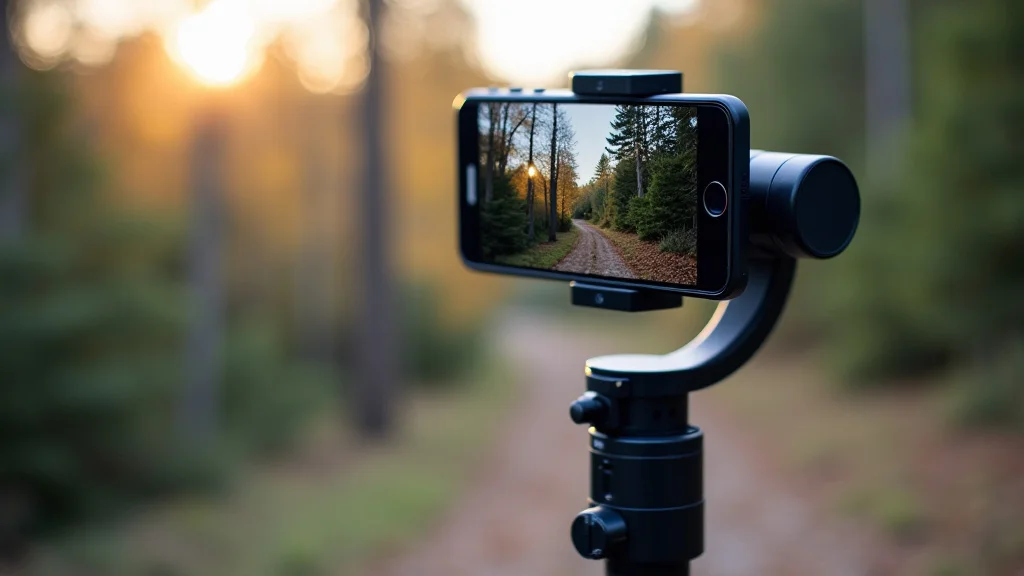
Getting smooth video with your iPhone can feel tough. Many people wonder about the best phone gimbal for iPhone because shakey footage is a common problem. It might seem tricky to get professional-looking shots.
But don’t worry! This guide will show you exactly how to use one easily, step by step. We’ll cover everything you need to know to start making awesome videos right away.
Get ready to learn how to make your iPhone videos look amazing!
Key Takeaways
- Gimbals help you get smooth, steady video footage from your iPhone.
- They work by using motors to counteract your hand’s movements.
- Choosing the right phone gimbal for iPhone depends on your needs and budget.
- Setting up your gimbal correctly is key to getting the best results.
- Basic controls are usually simple and easy to learn for beginners.
- Advanced features can take your video creation to the next level.
What Is a Phone Gimbal for iPhone
What Is a Phone Gimbal for iPhone
A phone gimbal is a special tool that helps you record steady videos with your smartphone. Think of it like a super-smart camera stabilizer. When you move your phone, the gimbal’s motors work to keep the camera level and smooth.
This is super helpful for making videos that don’t look shaky. Imagine walking or running while filming; without a gimbal, your video would be all over the place. With one, it looks like you’re gliding!
It’s a must-have for anyone serious about making good phone videos, especially for an iPhone.
How Gimbals Stabilize Video
Gimbals use motors and sensors to keep your phone steady. These motors are very quick. They sense even the smallest shakes or tilts from your hand.
Then, they instantly move to cancel out those movements. This process is called active stabilization. It’s different from the digital stabilization built into some phones.
Gimbals physically move to keep the camera pointing in a consistent direction. This results in much smoother footage, especially for action shots or slow pans.
The Role of Sensors and Motors
Inside a phone gimbal, you’ll find tiny but powerful motors. These are usually brushless DC motors, known for their smooth operation and efficiency. They are connected to different axes of the gimbal, often three: pitch (up/down), roll (side to side tilt), and yaw (left/right pan).
Above these motors are sensitive sensors, typically gyroscopes and accelerometers. These sensors constantly measure the phone’s orientation and movement. The gimbal’s internal processor takes this data and tells the motors exactly how to move to keep the camera stable.
-
Gimbals use motors to fight against shaky movements.
When you move, the gimbal’s motors work hard to keep your phone still in relation to the world. This means if you tilt your hand up, the gimbal tilts down slightly to keep the camera level. It’s like having an invisible hand holding your phone perfectly still.
-
Sensors detect every tiny shift.
Tiny sensors, like those in your phone but more advanced, constantly tell the gimbal what’s happening. They know if you’re twisting, turning, or bobbing. This information is crucial for the motors to react correctly and quickly.
-
The result is super smooth video.
Because the motors and sensors work together so well, the final video looks like it was filmed with professional equipment. This makes a huge difference for vlogs, travel videos, or any kind of storytelling.
Choosing the Right Phone Gimbal for iPhone
Picking the right phone gimbal for iPhone can feel overwhelming. There are many brands and models out there. Some are simple and cheap, while others are packed with features and cost more.
Think about what you want to film and how you plan to use it. Do you need it for quick Instagram stories, longer YouTube videos, or action shots? Your answers will help you find the best fit for your needs and budget.
Don’t just grab the first one you see; take a moment to consider these important factors.
Key Features to Consider
When looking at gimbals, check a few important things. First, how much weight can it hold? Make sure it’s strong enough for your iPhone, especially if you use a big case or add lenses.
Second, look at the battery life. You don’t want it dying halfway through filming. Third, consider the number of axes.
Most good gimbals have three axes for the best stabilization. Fourth, think about extra features like object tracking or special shooting modes.
Battery Life and Charging
Battery life is super important. Some gimbals last for a few hours, while others can go for 10-15 hours. If you plan long filming sessions, aim for a gimbal with extended battery life.
Many modern gimbals can also charge your phone while you film, which is a great bonus. Check the charging ports too; USB-C is common and fast. A portable power bank can also extend your filming time significantly if the gimbal supports pass-through charging.
Payload Capacity
Payload capacity refers to the maximum weight the gimbal can effectively stabilize. Your iPhone might seem light, but when you add a phone case, external microphone, or extra lenses, the weight increases. Make sure the gimbal’s payload capacity is higher than the total weight of your iPhone and any accessories you plan to attach.
Exceeding the payload can lead to poor performance, jerky movements, or even damage to the gimbal’s motors.
Number of Axes
Gimbals typically come with either two or three axes. A two-axis gimbal stabilizes the pitch and roll movements. This is better than no stabilization but still might show some shaking from yaw movements.
A three-axis gimbal stabilizes all three movements: pitch, roll, and yaw. This offers the most comprehensive stabilization and is generally what most people look for to achieve truly cinematic footage. For an iPhone, a three-axis gimbal is usually recommended.
Build Quality and Portability
Consider how the gimbal is built. Is it made of sturdy materials like aluminum or strong plastics? Will it withstand being carried around often?
Also, think about how portable it is. Does it fold up neatly for easy transport in a bag? Some gimbals come with carrying cases, which is a nice touch.
Lightweight designs are also preferable for longer shoots to avoid arm fatigue. Always check reviews for comments on durability.
Popular iPhone Gimbal Models
Several brands make excellent gimbals specifically designed for iPhones. DJI is a very popular choice, with models like the Osmo Mobile series often topping lists. They are known for their advanced features and user-friendly apps.
Zhiyun is another strong contender, offering a range of gimbals with great stabilization and creative modes. Moza also makes some impressive gimbals that are worth looking into. When comparing, look at the specific features that matter most to you.
DJI Osmo Mobile Series
The DJI Osmo Mobile line is a favorite for iPhone users. These gimbals are packed with smart features, excellent stabilization, and a polished app. They often include intelligent tracking, panorama modes, and smooth time-lapses.
The latest models are also quite compact and fold down easily, making them great for travel. Their app integrates well with the iPhone’s camera, offering manual controls and advanced shooting settings.
Zhiyun Smooth Series
Zhiyun’s Smooth series is also highly regarded. They offer competitive features at various price points. You can find models with advanced object tracking, cinematic modes like Dolly Zoom, and impressive battery life.
Zhiyun gimbals are known for their solid build quality and often have intuitive controls. Their companion app provides a good range of editing tools and shooting presets, making it easy to create professional-looking content.
| Gimbal Brand | Key Features | Typical Price Range |
|---|---|---|
| DJI Osmo Mobile | Intelligent Tracking, Foldable Design, Excellent App Integration | $$$ |
| Zhiyun Smooth | Creative Modes, Good Battery Life, Solid Build | $$ |
| Moza AirCross | High Payload Capacity, Advanced Controls, Compact | $$$ |
Setting Up Your Phone Gimbal for iPhone
Getting your phone gimbal for iPhone ready to use is the next step. It’s not hard, but doing it correctly makes a big difference. You need to balance your phone on the gimbal.
This means your phone needs to be centered and secure. Once it’s balanced, you can turn the gimbal on. The setup process is usually straightforward.
Follow these simple steps and you’ll be filming smooth video in no time. It’s all about making sure your phone is stable before you power up the motors.
Balancing Your iPhone
Balancing is the most critical part of setting up your gimbal. You want your iPhone to be perfectly balanced so the motors don’t have to work too hard. This means your phone shouldn’t tilt forward, backward, or to the side when you loosen the clamps.
Start by attaching your iPhone to the phone holder. Then, adjust the arm that holds the phone until it stays in any position you place it. This ensures smooth movement and saves battery power.
Step-by-Step Balancing Guide
First, attach your iPhone securely in the phone clamp. Make sure it’s centered. Then, loosen the tilt axis lock.
Gently move the phone forward or backward on the clamp until it stays level when you let go. Next, loosen the roll axis clamp. Adjust the arm until the phone stays perfectly horizontal.
Finally, loosen the pan axis lock. Gently tilt the gimbal handle left or right; the phone should stay put. Once balanced, tighten all the locks firmly but carefully.
Why Balancing Matters
Proper balancing is crucial for several reasons. A well-balanced gimbal allows the motors to operate efficiently, using less power and extending battery life. It also ensures the gimbal can track subjects smoothly and react quickly to your movements.
If your phone is not balanced, the motors will strain, leading to jerky footage, reduced performance, and potentially overheating or damage to the gimbal. It’s the foundation for great video quality.
Connecting to the Gimbal App
Most gimbals come with a special app. You connect your iPhone to the gimbal via Bluetooth. This app lets you control the gimbal’s features, adjust settings, and sometimes even control your iPhone’s camera.
It’s where you’ll find things like subject tracking, different shooting modes, and firmware updates. Downloading and connecting to this app is usually a quick process through your iPhone’s Bluetooth settings and the gimbal’s app.
-
Download the gimbal’s app.
Search for the specific app associated with your gimbal model in the App Store. Install it on your iPhone.
-
Turn on your gimbal.
Make sure your gimbal is charged and powered on. It will often have a light indicating it’s ready for connection.
-
Enable Bluetooth on your iPhone.
Go to your iPhone’s Settings and turn on Bluetooth. Your iPhone will start searching for nearby devices.
-
Pair with the gimbal.
Open the gimbal app. It should prompt you to connect or search for your gimbal. Select your gimbal from the list of available devices.
You might need to confirm a pairing code.
-
Explore the app’s features.
Once connected, you can access all the gimbal’s functions. Practice using the on-screen controls to move the gimbal and experiment with different shooting modes.
Firmware Updates
Gimbals, like any electronic device, get software updates. These updates can fix bugs, improve performance, and add new features. Always check the gimbal’s app for available firmware updates.
It’s usually a simple process: connect your gimbal to the app, and the app will notify you if an update is ready. Follow the on-screen instructions to install it. Keeping your gimbal’s firmware up-to-date ensures it works as well as possible.
Using Your Phone Gimbal for iPhone Effectively
Now that your phone gimbal for iPhone is set up, it’s time to use it! Getting great shots involves more than just holding it steady. You’ll want to learn the basic controls and then explore the advanced features.
Practice makes perfect, so don’t be afraid to experiment. Think about how you move your body, how you want the camera to move, and what story you’re trying to tell. With a little practice, you’ll be capturing incredibly smooth and dynamic video.
Basic Controls and Movement
Most gimbals have a joystick to control the pan and tilt movements. You can also often control the speed at which the gimbal moves. Learning to make smooth, deliberate movements with the joystick is key.
Try practicing slow pans across a scene or gentle tilts up and down. You’ll also find buttons for starting/stopping recording, taking photos, and switching between different gimbal modes (like follow mode, lock mode, or sport mode).
Understanding Gimbal Modes
Gimbals usually have several modes to suit different shooting situations.
-
Follow Mode
In follow mode, the gimbal will track your hand’s movements more closely. This is great for general filming where you want the camera to follow your actions smoothly.
-
Lock Mode
Lock mode keeps the camera pointing in one direction, no matter how you move the gimbal handle. This is useful for static shots or when you want to maintain a specific frame.
-
Sport Mode
Sport mode is designed for fast action. It allows for quicker movements and reacts more sensitively to your commands, making it ideal for capturing sports or dynamic events.
-
FPV Mode
Some gimbals have an FPV (First Person View) mode, which allows the camera to mimic your body’s rotation for a more immersive effect.
Advanced Shooting Techniques
Once you’re comfortable with the basics, you can try more advanced techniques. These can make your videos stand out. Think about creating smooth dolly zooms, cinematic sweeping shots, or dynamic tracking shots.
The app associated with your gimbal often has built-in features for these, like automated movements or special effects. Experimenting with these will boost your video production quality significantly.
Automated Movements and Time-lapses
Many gimbals can automate complex camera movements. You can set start and end points for a smooth pan or tilt. This is perfect for creating professional-looking transitions or sweeping vistas.
Gimbals are also excellent for time-lapses. You can set up a stationary time-lapse or even a moving time-lapse (hyperlapse) where the gimbal slowly moves the camera over time while capturing frames. This creates stunning, compressed footage of changing scenes.
Object Tracking
Object tracking is a game-changer for solo creators. Once you select a subject in the gimbal’s app, the gimbal will automatically keep that subject in frame, even if it moves or you move around it. This is fantastic for vlogging or filming interviews without needing a second person to operate the camera.
The AI-powered tracking is usually very accurate, ensuring your subject remains the focus.
Real-life example: A travel vlogger used their iPhone gimbal’s object tracking to film themselves walking through a busy market. The gimbal kept the vlogger perfectly centered in the frame, even as people and vehicles moved around them. This resulted in smooth, professional-looking footage that focused on the vlogger’s experience, making the video much more engaging for viewers.
Tips for Smooth Footage
To get the smoothest footage possible, remember a few key things. First, always ensure your gimbal is properly balanced. Second, make slow, deliberate movements with the joystick.
Avoid jerky, fast motions unless you are in sport mode. Third, keep your arm movements smooth and controlled; think of your arm as part of the gimbal’s stabilization system. Finally, practice walking or moving with the gimbal.
A slight bend in your knees can help absorb steps.
Common Myths Debunked
Myth 1: Gimbals are only for professional filmmakers.
This is not true. While professionals use them, gimbals are now very accessible and affordable for everyday users. The technology has become much easier to use, and many models are designed specifically for smartphone creators.
Anyone can use a gimbal to dramatically improve their video quality.
Myth 2: Gimbals are difficult to set up and use.
While balancing takes a moment, most modern gimbals are designed for ease of use. The setup process is usually guided, and the basic controls are very intuitive. With a little practice, anyone can learn to operate a gimbal effectively.
Myth 3: Gimbals are too expensive for a hobbyist.
The price of gimbals has come down significantly. There are many excellent options available in various price ranges, making them a viable purchase even for casual users or those on a budget. You can find great performance without breaking the bank.
Myth 4: You need a high-end iPhone for a gimbal to work well.
Gimbals work with most modern smartphones, including various iPhone models. The primary requirement is that your iPhone fits securely in the gimbal’s clamp and that its weight is within the gimbal’s payload capacity. The quality of your iPhone’s camera will affect the footage, but the gimbal’s stabilization will work regardless.
Myth 5: Gimbals can fix all shaky footage.
While gimbals are excellent stabilizers, they are not magic wands. They work best when used correctly. Extremely fast or erratic movements can still sometimes be challenging for a gimbal to fully compensate for.
Proper balancing and smooth operation are key to achieving the best results.
Frequently Asked Questions
Question: Do I really need a phone gimbal for my iPhone?
Answer: You don’t need one, but it drastically improves the quality of your videos by making them smooth and professional-looking. If you want better video, it’s a great investment.
Question: How do I balance my iPhone on the gimbal?
Answer: You attach your iPhone and then adjust its position on the clamp until it stays level in any direction without falling. This prevents the motors from working too hard.
Question: Can I use my iPhone gimbal in the rain?
Answer: Most gimbals are not waterproof. It’s best to avoid using them in heavy rain or wet conditions unless the manufacturer specifically states it’s weather-resistant.
Question: What is the difference between 2-axis and 3-axis gimbals?
Answer: A 3-axis gimbal stabilizes movement on all three directions (pitch, roll, yaw), offering much smoother footage than a 2-axis gimbal, which only stabilizes two directions.
Question: How long does it take to learn to use a gimbal?
Answer: Most people can learn the basic controls and balancing within 15-30 minutes. Mastering advanced techniques might take a little more practice, but the core functionality is easy to pick up.
Conclusion
Using a phone gimbal for iPhone is a simple way to make your videos look amazing. Balancing is key, and then you can explore fun controls and modes. Practice a little, and you’ll capture much smoother, more professional-looking shots.
Start creating better videos today!