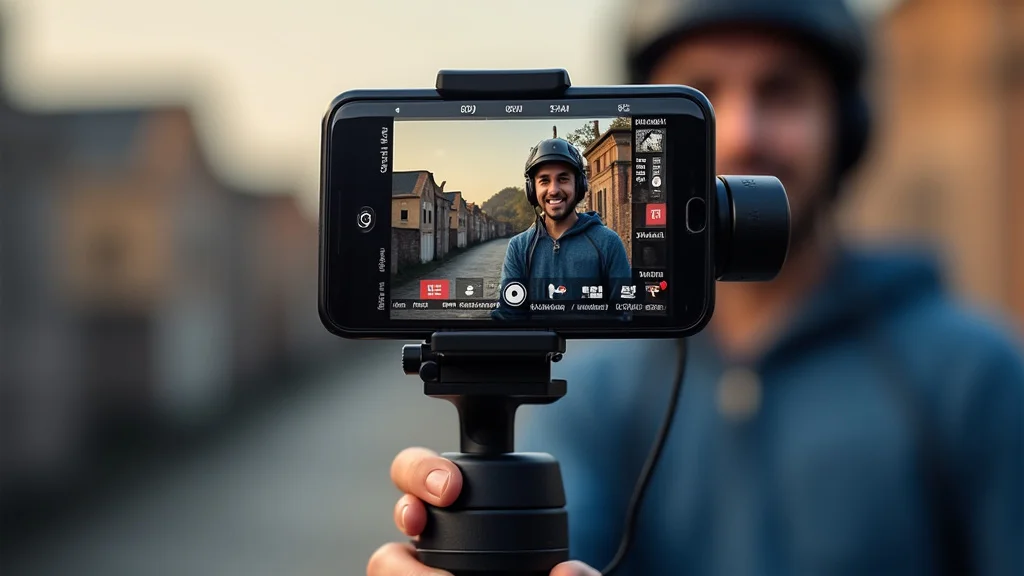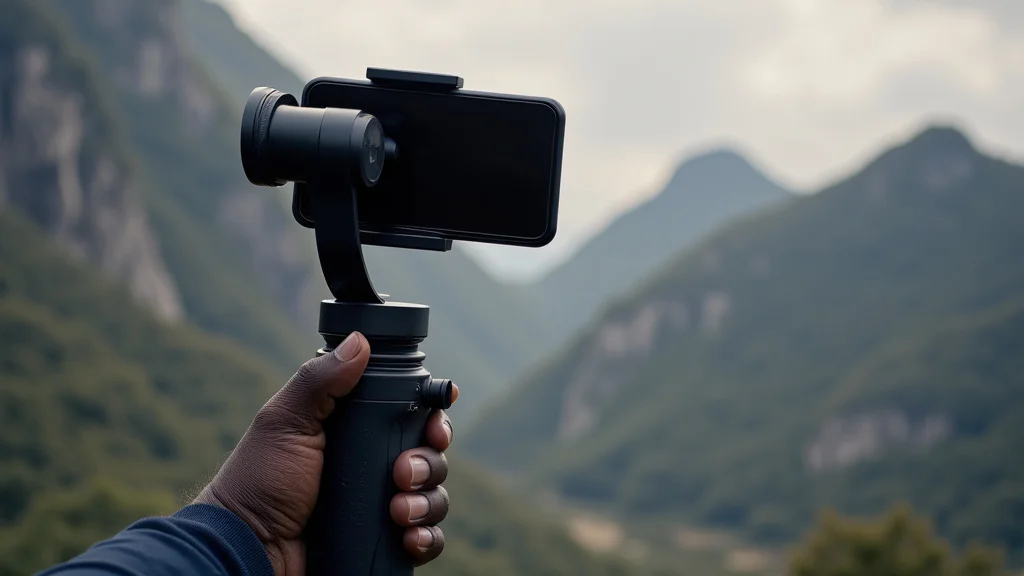
Picking the best mobile phone gimbal can seem tricky, especially if you’re new to making videos. There are so many options, and it’s hard to know which one is right for you. But don’t worry!
This guide makes it super simple. We’ll walk you through everything step-by-step. Get ready to make smooth, professional-looking videos with your phone.
Let’s find the perfect gimbal together.
Key Takeaways
- You will learn what a phone gimbal does and why it’s useful.
- We will explore different types of gimbals and their features.
- You will find out how to choose a gimbal that fits your needs and budget.
- We will discuss important things to look for, like battery life and weight.
- You will get tips on how to use your new gimbal for better videos.
- We will answer common questions about phone gimbals.
What Is A Mobile Phone Gimbal
Why Use A Mobile Phone Gimbal
A mobile phone gimbal is a device that keeps your phone steady while you move. It uses motors to counteract shakes and wobbles. This means your videos will look super smooth, not shaky.
Imagine walking or running and still getting professional-looking footage. That’s what a gimbal does. It’s like having a built-in camera stabilizer.
This makes a huge difference in video quality.
Smoother Video Footage
The main reason people use gimbals is for incredibly smooth video. Without a gimbal, even a slight hand shake shows up as jerky movement in your video. This can make your content look amateur.
A gimbal actively works to keep the camera level and stable. It corrects for bumps, tilts, and pans that happen when you move. This stabilization is key for cinematic shots.
It makes watching your videos much more pleasant.
Think about filming a sports event or a wedding. You’re often moving around a lot. A gimbal ensures that the focus stays on the action without distracting camera shake.
This professional polish can elevate your videos from simple phone clips to something shareable on a big screen. It helps tell your story more clearly.
Creative Shooting Possibilities
Beyond just stabilization, gimbals open up new creative filming techniques. Many gimbals offer special modes. These modes allow for unique camera movements that are hard to do by hand.
For example, you can do a smooth orbit around a subject. You can also create dramatic “dolly zoom” effects. These are often called “olly” shots or “tracking shots.”
These features let you add a professional touch to your videos. They can make your content stand out. You can film dynamic sequences that were previously only possible with expensive camera gear.
This is great for travel vlogs, product demos, or even just capturing everyday moments in a more engaging way.
Different Gimbal Types
There are a few main types of mobile phone gimbals. Some are simple handheld stabilizers. Others have more advanced features.
- 3-Axis Gimbals: These are the most common and offer the best stabilization. They control movement on the roll, tilt, and pan axes. This provides the smoothest results.
- 2-Axis Gimbals: These are less common now but were a step before 3-axis. They mainly control tilt and roll. They offer decent stabilization but not as complete as 3-axis.
- Hybrid Gimbals: Some newer gimbals might combine features of different types, but 3-axis remains the standard for mobile.
When looking for the best mobile phone gimbal, always aim for a 3-axis model. This will give you the most bang for your buck in terms of stabilization quality. The three axes work together to keep your phone perfectly still.
The roll axis keeps the horizon level. The tilt axis controls up and down movement. The pan axis handles left and right movement.
Choosing The Best Mobile Phone Gimbal
Compatibility With Your Phone
Not all gimbals work with all phones. You need to check the specifications. Most gimbals support a wide range of smartphone sizes.
They often have adjustable clamps. However, very large or very small phones might have issues. It’s important to check the maximum and minimum phone width the gimbal can hold.
Some gimbals also have better app integration with certain phone operating systems (iOS or Android). The app controls extra features like object tracking and cinematic modes. Make sure the gimbal’s app is compatible with your phone and its version.
A quick check of the product details or reviews can save you trouble.
Key Features To Look For
When searching for the best mobile phone gimbal, several features are vital.
- Payload Capacity: This is the maximum weight the gimbal can handle. Your phone plus any accessories like a lens or microphone must be within this limit.
- Battery Life: How long can you film on a single charge? Longer battery life is essential for long shooting days. Look for gimbals that offer 8-12 hours of use.
- Weight And Portability: You’ll be holding the gimbal for extended periods. A lighter gimbal is easier to use. It should also fold up nicely for transport.
- Control Options: Check for easy-to-use buttons and joysticks. A good grip is also important for comfort and control.
- App Functionality: A well-designed app can unlock advanced features like intelligent tracking, panorama modes, and time-lapses.
A gimbal with a good payload capacity ensures it can handle your phone, even with added accessories. This prevents the gimbal from struggling and potentially shutting down. Battery life is also a major consideration.
You don’t want to run out of power halfway through a crucial shot. Many gimbals now offer USB-C charging, which is convenient.
Understanding Gimbal Modes
Different shooting modes on a gimbal offer various ways to stabilize and move your camera.
- Pan Follow Mode: This is the most common mode. It allows the camera to smoothly follow your left and right movements. Up and down movements are stabilized.
- Lock Mode: In this mode, the camera stays pointed in one direction, no matter how you move the gimbal. This is great for keeping a subject in frame.
- Follow Mode (or All Follow Mode): This mode lets the camera follow both your pan and tilt movements. This gives a more natural feel for dynamic shots.
- Sport Mode: Designed for fast action, this mode increases the motor response. It allows you to capture quick movements and changes in direction without losing stability.
- Time-Lapse/Motion-Lapse: Many gimbals can program controlled movements for creating impressive time-lapse videos.
These modes are controlled through the gimbal’s buttons or its companion app. Understanding when to use each mode will greatly improve your video production. For instance, if you are filming a car driving by, Sport Mode would be ideal.
If you are panning across a landscape, Pan Follow Mode works best.
Popular Gimbal Brands And Models
Several brands consistently offer high-quality mobile phone gimbals. DJI is a leader in this space with its Osmo Mobile series. These gimbals are known for their advanced features and user-friendly design.
They offer excellent stabilization and a robust app.
Zhiyun is another major player, offering models like the Crane M series and Smooth series. These are also very popular for their performance and price points. They often provide competitive features.
Other brands like Hohem and Moza also make good gimbals. They can be excellent alternatives, especially if you are on a tighter budget.
When choosing, read reviews for the specific model you are considering. Look for feedback on build quality, app performance, and battery life. A good review can highlight any potential drawbacks.
For example, some users might find a particular app interface confusing. Others might praise its durability.
How To Get The Most From Your Gimbal
Setting Up Your Gimbal
Before you start filming, proper setup is key. First, mount your phone securely in the gimbal’s clamp. Ensure it’s centered.
Then, balance the gimbal. Most gimbals have adjustable arms. You want your phone to stay put when the motors are off.
This means it’s properly balanced.
Connect your gimbal to its app. This is usually done via Bluetooth. The app is where you’ll find most of the advanced controls.
Learn to navigate the app’s interface. Practice switching between different shooting modes. A well-balanced and connected gimbal is ready for action.
Filming Techniques With A Gimbal
Using a gimbal effectively involves more than just holding it.
- Walk Smoothly: Bend your knees slightly when you walk. This absorbs shock. Move your body in a fluid motion.
- Smooth Panning: Instead of jerky turns, use the joystick or gently rotate the gimbal. This creates elegant camera sweeps.
- Creative Movements: Experiment with dolly zooms and orbits. These can add cinematic flair. Think about how you want the shot to feel.
- Framing Shots: Pay attention to what is in your frame. Use the gimbal to compose your shots like a professional photographer.
Practice is essential. The more you use your gimbal, the more intuitive these techniques will become. Try filming different subjects and in various environments.
This will help you discover what works best for your style.
Maintenance And Care
To keep your gimbal working well, take care of it. Always turn it off before packing it away. Protect it from dust and moisture.
Store it in its original case or a protective bag. If you are traveling, this is especially important.
Keep the motors clean. Avoid dropping the gimbal. Like any electronic device, rough handling can damage its internal components.
This is especially true for the delicate motors that provide stabilization. A little care goes a long way in extending its lifespan.
Common Myths Debunked
Myth 1: Gimbals Are Too Complicated For Beginners
This is a common worry, but it’s not true. While some gimbals have many features, most are designed to be user-friendly. Basic stabilization works right out of the box.
The companion apps are often intuitive. Many offer tutorials to help you get started. You can learn the advanced features as you get more comfortable.
Myth 2: You Need An Expensive Phone To Use A Gimbal
This is also a myth. A gimbal’s job is to stabilize the camera it’s attached to. It doesn’t matter if your phone is high-end or mid-range.
As long as your phone fits the gimbal’s clamp and its camera app works, you can use a gimbal. The quality of the footage will depend on your phone’s camera, but the stability will be enhanced.
Myth 3: Gimbals Make All Your Videos Look The Same
A gimbal provides a tool for smooth movement. How you use that tool is up to you. The creative possibilities are vast.
You can film in many different styles, from documentary to action-packed. The gimbal simply helps you execute your vision more effectively. It’s about creativity, not just smooth footage.
Myth 4: Gimbals Are Only For Professionals
Absolutely not. Gimbals have become much more affordable and accessible. They are used by vloggers, content creators, travelers, and hobbyists alike.
Anyone who wants to improve their video quality can benefit from a gimbal. The ease of use for modern gimbals makes them perfect for everyday users.
Frequently Asked Questions
Question: How do I balance my phone on a gimbal
Answer: Most gimbals have adjustable arms. Loosen the clamp and move your phone slightly to find its center of gravity. The phone should stay still when you gently let go.
Then, tighten all the locks.
Question: Can I use my gimbal with a case on my phone
Answer: Usually, yes. Most gimbals have wide clamps that can accommodate phones with slim to medium thickness cases. However, very bulky cases might be an issue.
Check the gimbal’s specifications for maximum phone width.
Question: What is the difference between a gimbal and a selfie stick
Answer: A selfie stick primarily extends your reach. A gimbal actively stabilizes your camera using motors to prevent shake and allow for smooth movements. A selfie stick offers no stabilization.
Question: How much should I expect to spend on a good gimbal
Answer: Good mobile phone gimbals can range from around $50 to $200. Mid-range options often provide the best balance of features and price for most users.
Question: Do gimbals work in the rain
Answer: Most gimbals are not waterproof. You should avoid using them in heavy rain or wet conditions. Light drizzle might be okay, but it’s best to protect them from moisture.
Conclusion
Finding the best mobile phone gimbal is about matching features to your needs. These devices make your videos look amazing. They are easier to use than you might think.
Now you know what to look for. Get out there and start creating!